
この記事は、できるだけ早くお届けするためにまずAIで翻訳したものです。今後はAIに教育を行うことでその精度を上げること、それと並行し翻訳者が日本語監修を行った記事と、AI翻訳のみによる和訳記事を明確に分けることで、読者の皆様の利便性を最大限に高めることを目指しています。表現に一部不自然な箇所がある場合があります。ご了承ください。
ハンター・ヴァレーのセミヨン (Semillon) は、間違いなくオーストラリア最も特徴的なスタイルだ。淡い銀緑色の液体で、レモン、ライム、そしてかすかなペトロール香があり、G-ファンク・ウエストコーストの口笛のように酸味が口の中を駆け抜け、かすかなバズ感とトーストの風味のささやきを残していく。熟成とともにバズ感は和らぎ、トースト香は強くなるが、そのpHはシャブリでさえもだらしなく見せてしまう。もしそれが美味しそうに聞こえないなら、あなたは明らかにウォーヘッズのサワー・キャンディーを食べながら「ギャングスタズ・パラダイス (Gangsta's Paradise)」を聴いて育たなかったのだろう。
偉大なハンター・ヴァレー・セミヨンの地には、すべてのワイン学習者がローロデックスに入れておくべき2つのベンチマーク生産者がいる。リチャードがすでにティレルズについて今週のワインを書いているので、私は喜んでブロークンウッド (Brokenwood) を称賛したい。

ブロークンウッドは1970年、シドニーを拠点とする3人の弁護士、トニー・アルバート (Tony Albert)、ジョン・ビーストン (John Beeston)、そしてジェームス・ハリデー (James Halliday) によって設立された。そう、あのジェームス・ハリデーだ。しかし13年間の実践的な関与の後、ハリデーは1983年にワイナリーの持ち分を売却した。同じ年に、会社の新しいワインメーカー兼マネージング・ディレクターであるイアン・リッグス (Iain Riggs) がワイナリー初のセミヨンを造った。会社のセミヨン・スタイルを決定し、生産を主に赤ワインから主に白ワインへと移行させたのは、最終的にはリッグスの功績だった。

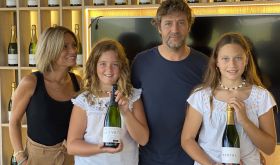
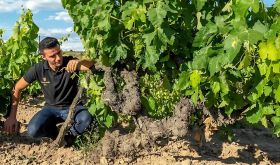
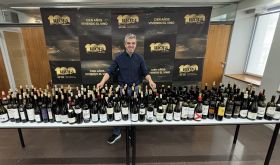
現在、この記事の冒頭に写真が掲載されているスチュアート・ホーダーン (Stuart Hordern) とケイト・スタージェス (Kate Sturgess) がブロークンウッドのセミヨンを造っている。スタイルは実質的に変わっていない。ハンター・ヴァレーは温暖で湿潤な生育期を持つ亜熱帯地域であるため、酸味を保持し夏の雨の最悪の影響を避けるために早期収穫を行う。一般的には1月下旬から2月下旬にかけて、潜在アルコール度数が10〜11.5%の時期に収穫する。
ブロークンウッドでは到着したブドウを破砕し、よりフルーティーで芳香的な柑橘系成分を保持するため、プレス前にマスト・チラーを通す。その後マストを清澄化し、より繊細なアロマを保持するため約16〜17°Cでステンレス・スチール・タンクで発酵させる。
この特別なキュヴェ(エントリー・レベルのボトリング)は収穫からわずか4ヶ月後の5月にボトリングされ、その数ヶ月後にリリースされる。(2022ヴィンテージは2023年1月までにイギリスで入手可能だった。アリステア・クーパーMWがレビューした時期だ。)

信じられないほど早いリリース(これは飲み頃よりもキャッシュフローに関係があると私は考えている)にもかかわらず、これらのワインは非常にゆっくりと発達するため、可能であれば開栓前に数年待つのが最良だ。2年前に入手したが、オーストラリア、アメリカ、イギリス、オランダの店舗でまだ入手可能なブロークンウッドの2022ヴィンテージの場合、待つ時間は短い。あと1年で理想的な飲み頃に入ると思われる。偉大なハンター・セミヨンがボトル熟成で不思議なことに発達させる、あの素晴らしい第3次のスモーキーなトースト香を発達させ始めたばかりだ。今開けることを選ぶなら(軽くグラッシーで、レモンとライムに満ちている時)、牡蠣にレモンを絞る代わりになり、ミエン・ガー(ベトナムのチキン・ヌードル・スープ)と美しく調和し、お許しいただければ、絶対に素晴らしいキールを作ることができる。
ハンター・セミヨンのその他の選択肢については、私たちのワイン・レビュー・データベースをご覧いただき、この魅力的なブドウ品種自体についてさらに詳しく知りたい場合は、オックスフォード・ワイン・コンパニオンのエントリーをチェックしてほしい。