この記事は、できるだけ早くお届けするためにまずAIで翻訳したものです。今後はAIに教育を行うことでその精度を上げること、それと並行し翻訳者が日本語監修を行った記事と、AI翻訳のみによる和訳記事を明確に分けることで、読者の皆様の利便性を最大限に高めることを目指しています。表現に一部不自然な箇所がある場合があります。ご了承ください。
エリック・ブラウニンガーは次のように書いている:私の名前はエリック・ブラウニンガーです。ミズーリ州インディペンデンスに住む、ワイン生産者志望で間もなくワインメーカーになる予定の者です。34歳で、職業は弁護士です。ミズーリ州の自分の土地に小さなブドウ畑を持っています。ワインとワインの歴史、特にミズーリ州のワインの歴史を愛しています。
シャンブルサン:証言
また雨の日だ。空は薄紫色のシーツのようである。空気には湿気が感じられる。5月下旬のアメリカ中西部へようこそ。
私はブドウの列の間を歩いている。草刈りをしなければならない。草がまた高くなりすぎている。この最近の雨のせいに違いない。しかし私は幸せだ。私のシャンブルサンのブドウが驚くほど成長している。
2年前の春、暖かい4月の午後にシャンブルサンを植えた。兄と私で172本の接ぎ木を植えた。その1年前には、敷地の別の一角に他の品種の接ぎ木を240本植えていた。それらの接ぎ木の大部分は、異常に乾燥した過去2回の夏を乗り越えることができなかった。しかし私のシャンブルサンは頑丈で、毎日のように背が高くなっているように見える。(ついに)雨の多い5月に感謝している。
7年前、父の家でヨーロッパ系品種を植えようとしたことがある。どれも根付かなかった。ミズーリの季節は、これらの旧世界の原産種にとってあまりにも異質で、土壌と空気はカベルネ、サンジョヴェーゼ、テンプラニーリョ、シャルドネにとってあまりにも異常な環境だった。私は自然に対する、そして私の(想定される)好みに対する戦いに敗北を認めた。ミズーリでよく育つ品種を植えよう、と考えたのだ。そこで私は屈服し、私のドイツ系祖先のように新世界に居場所を見つけた品種、ヴィニョール、トラミネット、ノワレ、レジェント、そして最も重要なシャンブルサンを植えた。
私の品種選択は幸運だった。シャンブルサンはミズーリ州で最も栽培面積の広いブドウである。暖かい夏と寒い冬に耐える。私が住んでいる場所では、年間気温は7月の最も暑い日の100度(華氏)から1月下旬の零下まで変動する。植物は打撃を受ける。しかしシャンブルサンは繁栄する。シャンブルサンのブドウを使えば、(聞くところによると)高品質の赤いテーブルワイン、ロゼ、さらにはポートやシェリーのような酒精強化ワインまで造ることができる。信じられないほど多用途だ。私たちは皆、シャンブルサンから何かを学ぶことができるだろう。
ブドウを植えることは、何よりもまず忍耐のテストである。ワイン生産者が何千年もの間知っていたことを学ぶのだ。地球と季節に逆らうのではなく、それらと協力しなければならない。週や日ではなく、年単位で考え始めなければならない。ミズーリの多様な季節は教師であり、私はその生徒だが、シャンブルサンは彼らの学者である。
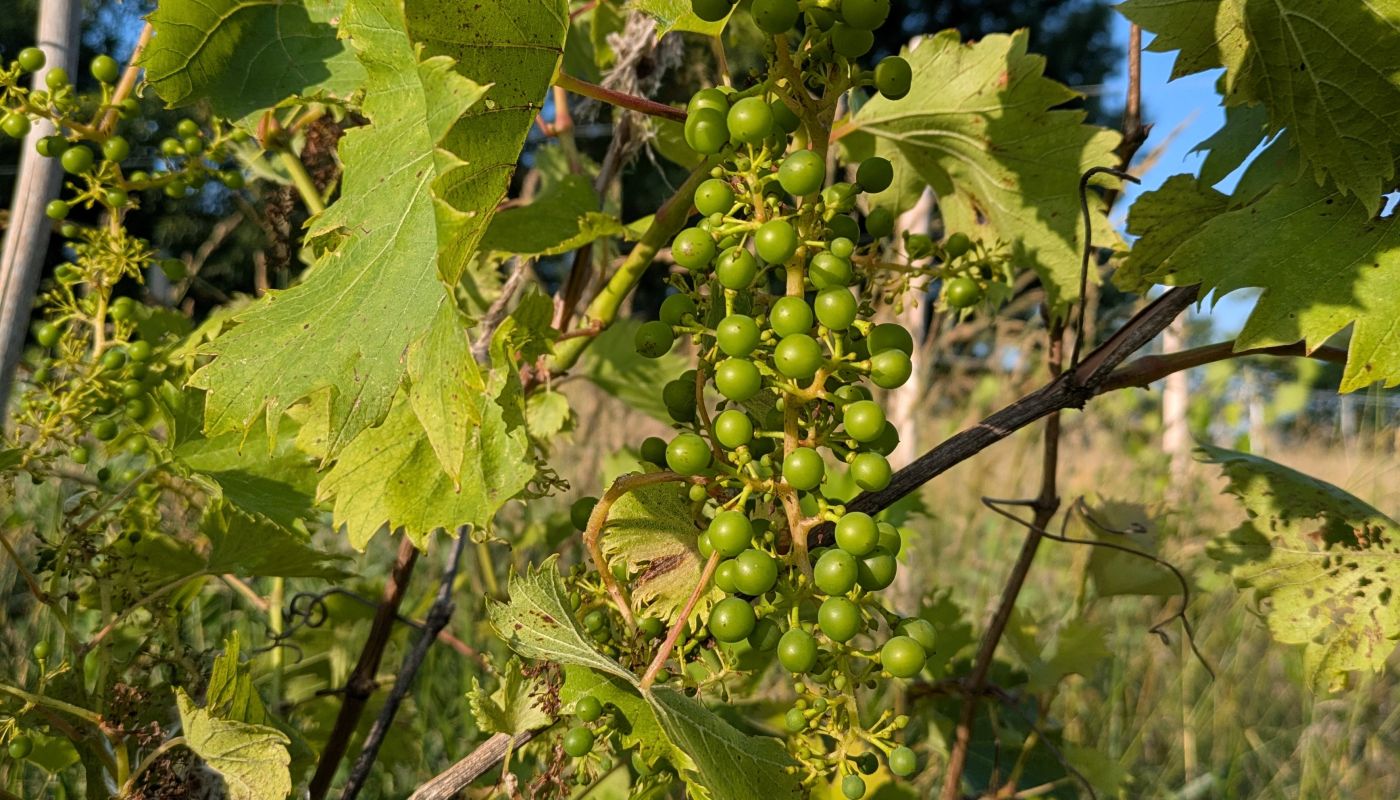
昨年の夏、私たちは初めてシャンブルサンのブドウを収穫した。意味のある量のワインを造るには十分ではなかった。しかし、これらの奇妙な植物を飾る小さな天使たちを見る喜びは明白だった。私の子供たちは大喜びだった。ついに、蒸し暑いミズーリの暑さの中での父親の労苦に対して見せるものができたのだ。シャンブルサンは、ワイン生産者が太古の昔から知っていた別のことを私に教えている。時間は贈り物だということを。子供たちはこれを理解しており、時間に飢えた34歳の弁護士、米軍退役軍人、5人の子の父、そしてワインメーカー志望の私は、これを再発見している。
私の子供たちは、土曜日の午後にブドウ畑(そう呼んでもいいだろうか?)の世話をするために時間を取る私を我慢してくれている。私はますます、コンピューター画面、仕事の電話、すべてを飲み込むAIプログラム、そして現代アメリカ生活の他のすべての反人間的側面から逃れ、永続するものを求めて、ブドウ畑に行くことに必死になっていることに気づく。私にとってシャンブルサンはブドウ以上のものだ。それは証言である。
ミズーリの季節の残酷さと同様に、現代生活は圧倒的だ。やることがたくさんある。批判すべきことが多い。私の文化は物事を壊すのは得意だが、植えることにはそれほど熱心ではない。ブドウ畑はブドウを作るが、小麦のような作物や牛肉や豚肉のような製品を生産するわけではない。しかしそこには生命がある。それは否定できない。ブドウ畑を持つ文化が永続するのは偶然ではない。ある意味で、私たちは皆ブドウ畑に戻る必要がある。私たちにはシャンブルサンが必要だ。
今年は私はワインを造ることができるだろう。自家製のシャンブルサン・ワインを飲む日を夢見ている。しかし私のやることリストは長い。トレリス・システムに層を追加する必要がある。ボトリングについて考え始めなければならない。セラーを掘るべきだろうか?おそらくそれはあまりにもクレイジーなアイデアだ。妻には考慮すべきことがあるに違いない。
私の愛する妻。私は時々、彼女が私たちが乗り出したこの奇妙な事業について何を考えているのか疑問に思う。「私たちはブドウを育てている、小さなブドウ畑を持っている」と人々は思うかもしれない。それはセクシーに聞こえ、私たちの意図はかっこよく聞こえることだったと。しかしそれは全く要点ではない。私にはビジネス計画も、壮大な野望もない。私は正反対のものを望んでいる。低く行き、土に手を入れることを。ブドウ畑を植えることは完全に革命的な行為ではないが、それに近い。
私はワインを愛している。シャンブルサンを飲むことを愛している。それが意味するもの、目の利かない人には隠されているものを愛している。物が成長するのを見ることを愛している。それだけだ、それが私の壮大な計画だ。それでも、私はナパやロワール渓谷に住んでいるわけではない。私はミズーリに住んでいる。私のブドウ畑は質素だ。数年かけて築き上げた。お金と時間を予算化しなければならなかった。私のブドウ畑にはザーレ・ウンストルートやモンフェッラートの丘陵地の壮大さはないが、幼児の足の柔らかな歩き回りとシャンブルサンのブドウの香りに恵まれている。そして私にとって、それが栄光あるものにしている。
シャンブルサンの房を示す写真は、著者自身のものである。
















