この記事は、できるだけ早くお届けするためにまずAIで翻訳したものです。今後はAIに教育を行うことでその精度を上げること、それと並行し翻訳者が日本語監修を行った記事と、AI翻訳のみによる和訳記事を明確に分けることで、読者の皆様の利便性を最大限に高めることを目指しています。表現に一部不自然な箇所がある場合があります。ご了承ください。
エミリー・カンポー (Emily Campeau) は次のように書いている 私は37歳で、すでに2度引退している。現在は3度目の、そして願わくば最後のキャリアパスで成功を収めており、ドイツのフランコニアにあるヴァイン・グット (Wein Goutte) という小さなワイナリーでパートナーとともにワインを造っている。
私の相棒
初めて記憶に残るボトルに出会ったのは早朝のことだった。あの頃は酒浸りの日々だったが、その特別な時には確かに前夜は眠っていた。天井に吊るされた大きなワニからブラジャーの群れがぶら下がっているダイブバー、つまり私たちの仕事後の定番スポットから離れて過ごしていたのだ。
コーヒーマシンはレストランのドア近くに便利に設置されており、出勤途中のコックたちは皆、カフェインを求めて必死になってそこに立ち寄り、過労で重くなった体を引きずりながら、まだ完全には目覚めていない状態で歩き回っていた。
疲労にもかかわらず、私は早めに出勤した。スー・シェフの顔、つまり信頼と頼りになる人物の顔を作るのに余分な時間が必要だったのだ。7時間後のサービスまでどうやって持ちこたえるかわからなかったにもかかわらず。そう、コーヒーだ(イブプロフェンも一緒に)。
安いコーヒー豆でダブル・エスプレッソを作った。良い豆はゲスト専用に取っておかれていたからだ。そしてマシンの隣に、複雑なラベルの小さなボトルが置かれているのに気づいた。珍しい光景ではない。トライベッカのトレンディなワイン・プレイスで働く主な利点の一つは、定期的にワインをテイスティングできることだったからだ。私たちは素晴らしいワインを試していたが、ひどいコーヒーを飲むことを余儀なくされていた。7月でもダイニングルームでスカーフを巻くのを好むオーナーが、こうした理解不能な線引きをしていたのだ。
グラスを手に取り、小さなボトルから少し注いで、茶色い液体を回した。10月中旬の香りがした。枯れ葉と汚れた土、ローストした食べ物の復活、カラメル化したナッツの口いっぱいの味、乾燥したシイタケ。
このワインは私の注意を引きつけた。キッチンで働く人間として、注意力は私が大量に持っているものではなかった。味わいには予想外の鋭さがあり、親知らずのすぐ後ろを襲う小さな電気的な刺激があった。時の本質のような味だった。
初めての出会いではなかったが、その朝、ついに私は個人的なパンテオンにパロミノ (Palomino) が到着したことに気づいたのだ。
*
私は簡単に飽きてしまい、集中力に欠ける。だから当然、無限の個性を持っているように見えるブドウと親友になった。ハリケーンのような私だったこの10年を振り返ると、パロミノ (Palomino) がすべてを通じて私のそばに立つ信頼できる友人だったことがわかる。
2年間のハードな生活の後、私は限界に達してワイン・プレイスを去った。信頼と頼りがいに興味を失い、スー・シェフの顔はもはや私に合わなくなっていた。正直に言えば、例の常連バーのべたつくテーブルの下に忘れてきたのかもしれない。そこで私は平らなビールを飲み、近くのレストランの魅力的なコックたちとイチャつくのに時間を費やしすぎていた。身を清めて、ワイン・サービスでの2番目のキャリアを始めた。
パロミノ (Palomino) 全般、特にシェリーの研究は、私の刺激的な脳が情熱的に愛する種類のウサギの穴だ。私はまっすぐにその中に飛び込み、まだ出てきていない。それ以来、このブドウは私を驚かせ続けている。アンダルシアの太陽に輝くディスコボールのように多面的だ。他のどのブドウよりもテロワールを吸収し、熱、チョーク、海のしぶきの物語として吐き出す。その物語は非常に多様で、一生分の飲酒に十分かもしれない。
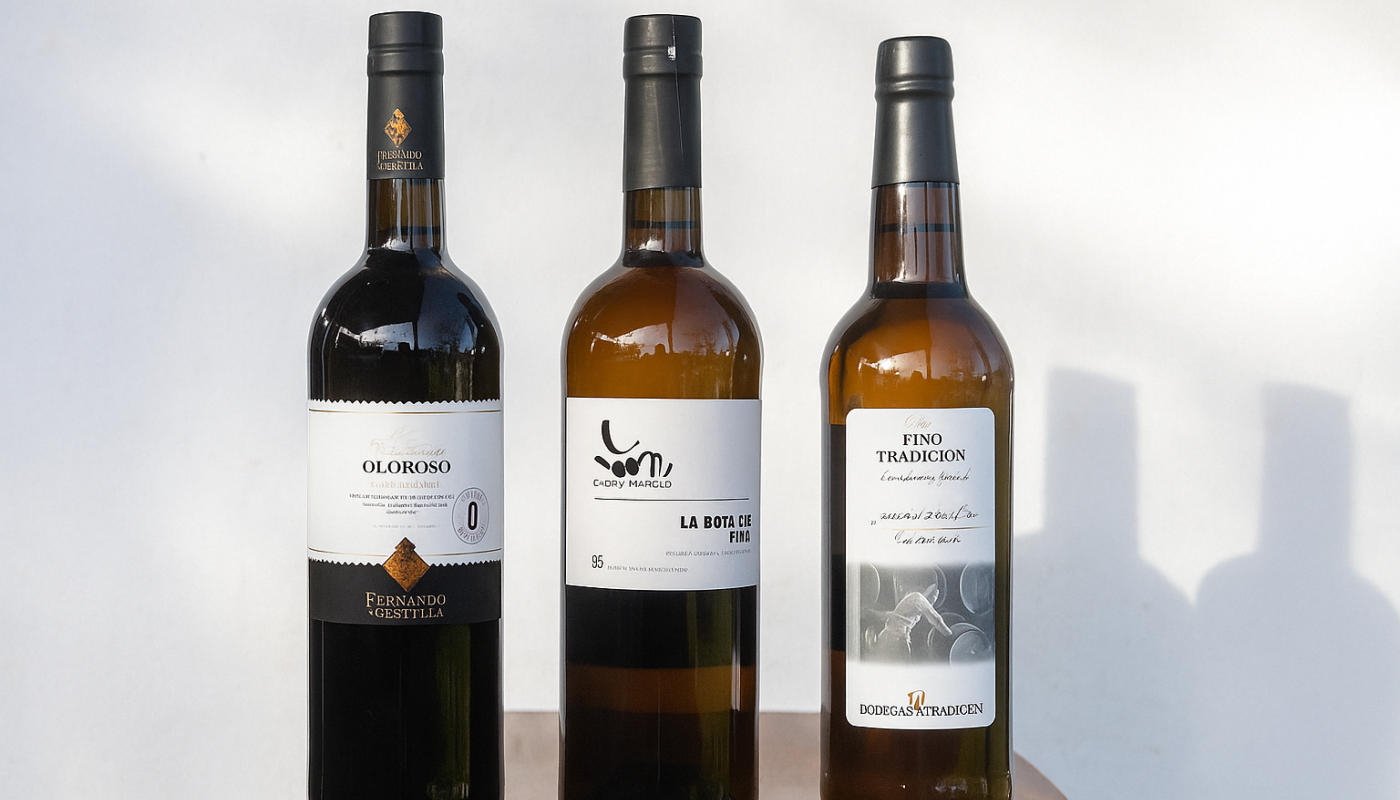
「茶色いワインを飲んだことはありますか?」これが、モントリオールのレストランのヘッド・ソムリエという新しい職に就いた私が、アモンティリャード (Amontillado) のマグナム(ボタ96、エキポ・ナバソス (Equipo Navazos))を持ってテーブルに近づく方法だった。疑うことを知らないゲストに熟成パロミノ (Palomino) の魔法、フロールの美しさ、何世紀もの伝統を紹介することは、私が繰り返すのに飽きることのない物語で、皿がテーブルに運ばれる前の3分以内に凝縮していた。ローストしたホロホロ鳥、グリルしたヒラタケ、ケベック産ヘーゼルナッツの削りかけがかかっている。
ソムリエールとしての時代、愛するブドウのあらゆる色合いがワインリストのページを飾った。鋭く塩味のある酒精強化されていない白ワインから、最も濃いシェリーまで。
私はそれらすべてを覚えている。
*
30代の始まりに私の止まることのない衝動性(直感と呼ぶ人もいる)が3番目のキャリアに導いたとき、私は田舎に移住してワイン造りを始めた。この新しい章でパロミノ (Palomino) がどのような役割を切り開くかわからなかったが、今やヨーロッパに住んでいるので、アクセスは数クリックで可能だと気づくまでのことだった。
私たちは記憶に残る瞬間を集め続けた。収穫期に冷蔵庫のドアにあったマンサニーリャ・パサーダ (Manzanilla Pasada) の冷えたマグナム、自家栽培の野菜を主役にした多くの料理と合わせた直線的なフィノ (Fino)、そして夜遅くまで続く会話を彩るあらゆる種類の酒精強化されていない白ワイン。
しかし、心配な時にパロミノ (Palomino) は私を明確な視界に戻してくれる。
時々、私はワインへの愛を失う。これは私自身のせいでしかない。情熱を仕事に変えることは、火を燃やし続けたいなら危険な動きだ。業界は散発的に私を疲弊させる。私たちの未来を左右するかもしれないメールに返信するのに何ヶ月もかかる人々、恥知らずな男性化と蔓延する性差別、日々ますます激しくなる分野で関連性を保つには品質だけでは十分でないワイン。気候変動、雨のない夏、大量の日焼け止め、容赦ない暑さ、雹、霜、菌類、そして私の頭の周りを回っている一匹のアブ。これが私をダークサイドに押しやる公式の転換点かもしれない。
すべてを投げ出したくなったとき、その時が来る。
*
私たちの地下室は混沌としており、ボトル、ピクルスの瓶、夏の恵みでいっぱいの冷凍庫であふれている。しかし左側のあの小さな角では、何らかの形でパロミノ (Palomino) をいつでも見つけることができることを知っている。今夜のアペロのために選んだ琥珀色の液体の最初の香りで、彼女が現れる。焦点の定まらない夢を持ち、苦いコーヒーを待つ若いコック。最初の一口を飲むと、ソムリエールが現れる。ワインを回し、各成分を分類する。ワインの温かさが私を通り抜け、私たちは皆一つに融合する。
一人の献身的で嵐のような、パロミノ (Palomino) を愛する女性に。
写真は著者自身のものである。
















