この記事は、できるだけ早くお届けするためにまずAIで翻訳したものです。今後はAIに教育を行うことでその精度を上げること、それと並行し翻訳者が日本語監修を行った記事と、AI翻訳のみによる和訳記事を明確に分けることで、読者の皆様の利便性を最大限に高めることを目指しています。表現に一部不自然な箇所がある場合があります。ご了承ください。
ブレント・グショワティ著 ブレント・グショワティ (Brent Gushowaty) は、バンクーバーを拠点とするワイン・ライター兼評論家だ。ワインへの関心から、ロンドンのクリスティーズ・オークションで6か月間のテイスティング講座を受講し、ワインが生涯の追求となった。WSET 3(優秀)を保持している。ピノ・ノワールが特別な関心分野で、ブリティッシュ・コロンビア州のワイン小売業で働いている間に、同州のピノ・ノワールの品質に魅力を感じるようになった。2013年にbcpinotnoirinfo.comを立ち上げた。ドイツ、フランス、ウィラメット・ヴァレー、そしてカリフォルニアの主要なピノ・ノワールAVAすべてにワイン旅行を行っている。現在、ブリティッシュ・コロンビア州のピノ・ノワールに関する本を執筆中だ。
ピノ・ノワールは時を超越した神秘的な詩人
美術評論家ウォルター・ペイター (Walter Pater) は「すべての芸術は絶えず音楽の状態を目指している」と言った。すべてのワインはピノ・ノワールの状態を目指していると言えるかもしれない。
ピノ・ノワールは、静かで尊敬されているが理解しがたい詩人のように、ワインの世界を通り過ぎていく。詩人は繊細で傷つきやすいが、人生を歩む中で出来事、感情、人間関係、困難、美しさを驚くほど鋭く観察する。そして、これらの経験を受け取り、その本質により、創造性の神託的プロセスを用いて、他者が体験し、共有し、理解できる詩を経験から生み出すのだ。静かに語るかもしれないが、その言葉は深遠だ。
薄い果皮という性質により、病気、うどんこ病、気象現象によって容易に気を散らされたり攻撃されたりする。さらに、その特殊性は、まず適切な土壌、斜面、天候、剪定、クローン、管理などが必要であることを意味するが、驚くべきことに、気候的に限界で生きているときに最も創造的になるのだ。
日照は必要だが、冷涼な風や霧によってバランスが取れていない限り、暑く楽な気候は避ける。これらの要因がなければ、繊細で集中した層状の果実味とアロマを生み出すことはない。リキュールを生み出すだけだ。実際、暖かい日と涼しい夜に挟まれた、より冷涼で、時にはより厳しい気候を好む。しかし、適切な場所では、このブドウは品種を超えて、原始的で古代的で魅惑的な何かを表現することができるのだ。
ピノ・ノワールには数多くの才能があり、その多くは説明がつかないが、最も明らかな才能はその薄い果皮だ。薄い果皮は、他の赤ブドウに通常存在する渋いタンニンのベールなしに、根を通じて土壌から引き上げられた果実のアロマと風味の複雑さへの窓を開く。その骨格はタンニンではなく酸に基づいている。コレット (Colette) は「ブドウの樹は大地の風味を人間に理解可能にする」と言ったが、ピノ・ノワールはその最高の証明だ。
これらの背景要素が整っていても、ブドウからワインへと導き育てる人々との間で、その気難しい神経質さは続く。ブドウ畑での適切な緑の手入れ、収穫での優しい扱い、そしてそのブドウ畑、そのブドウ、そのヴィンテージに適した醸造での配慮、忍耐、敬意、技術が正しくなければならない。ピノ・ノワールは、その創造の年に起こったすべてを気づき、すべてを記憶しているようだ。このブドウは、育った場所と土壌の特徴を雄弁に証言することができる。しかし、何らかの理由で何かが欠けていれば、その刻印は結果として生まれるワインに残り、雄弁に語る代わりに、土地やワイン生産者への微かな賛美をつぶやくだけかもしれない。沈黙がその非難なのだ。
ピノ・ノワールには起源の物語がない。その出発点は不明な古代品種だが、その影響は時を超越している。現在も私たちのために魅惑的なワインを作り続けるという、その無限の子孫の性質にコード化されて生き続けている。ブラック・ピノ (Black Pinot)、ピノ・ノワリアン (Pinot Noirien)、ピノ・サン・ジョルジュ (Pinot St. George)、ブラウアー・ブルグンダー (Blauer Burgunder)、ピノ・ド・ペルナン (Pinot de Pernand)、ネグレット (Négrette)、ベバ (Beba)、フラン・ピノー (Franc Pineau)、ノワリアン (Noirien)、サルヴァニャン (Salvagnin)、モリヨン (Morillon)、オーヴェルナ (Auvernat)、プラン・ドレ (Plant Doré)、シュペートブルグンダー (Spätburgunder)、ピノ・ネロ (Pinot Nero)、ナジブルグンディ (Nagyburgundi) など、エキゾチックな別名と変装の渦を通じて知られてきた。
ピノ・ノワールは強力な祖先で、少なくとも1000の既知のクローンを持ち、ピノ・ムニエ (Pinot Meunier)、ピノ・ブラン (Pinot Blanc)、ピノ・グリ (Pinot Gris) などのクローンの従兄弟を生み出した。実際、「遺伝的に流動的」で、白ブドウに非常に近く、ピノ・ノワールのブドウ房にピノ・ブランやピノ・グリのブドウが客として現れることは十分によくあることだ。ピノ・ノワールのこの側面は、スパークリング、白、ロゼを含む他のワイン・スタイルを生み出すために容易に適応することも意味している。
ピノ・ノワールの魅力には、グラン・クリュ・ブルゴーニュのブドウ畑から誘拐され、遠く離れたブドウ畑に密輸されたという数多くの「スーツケース・クローン」の物語が含まれており、「エピファニー・ボトル」、つまりその後永遠にピノ・ノワールのユニコーンを追いかけることになる魔法のボトルを体験した(私を含む)異なるワイン愛好家を結びつけるのは、ピノ・ノワールだけなのだ。
謎を深めるのは、世界中に散らばる、ピノ・ノワールが繁栄し、偉大な雄弁さを発揮できる魔法のテロワールがほんの一握りしかないことだ。
偉大なピノ・ノワールの特質を伝えようとするのは困難で、しばしば恥ずかしいほどの絶賛の噴出につながるが、私は完全にその虜になっているので、ここで挑戦してみよう。
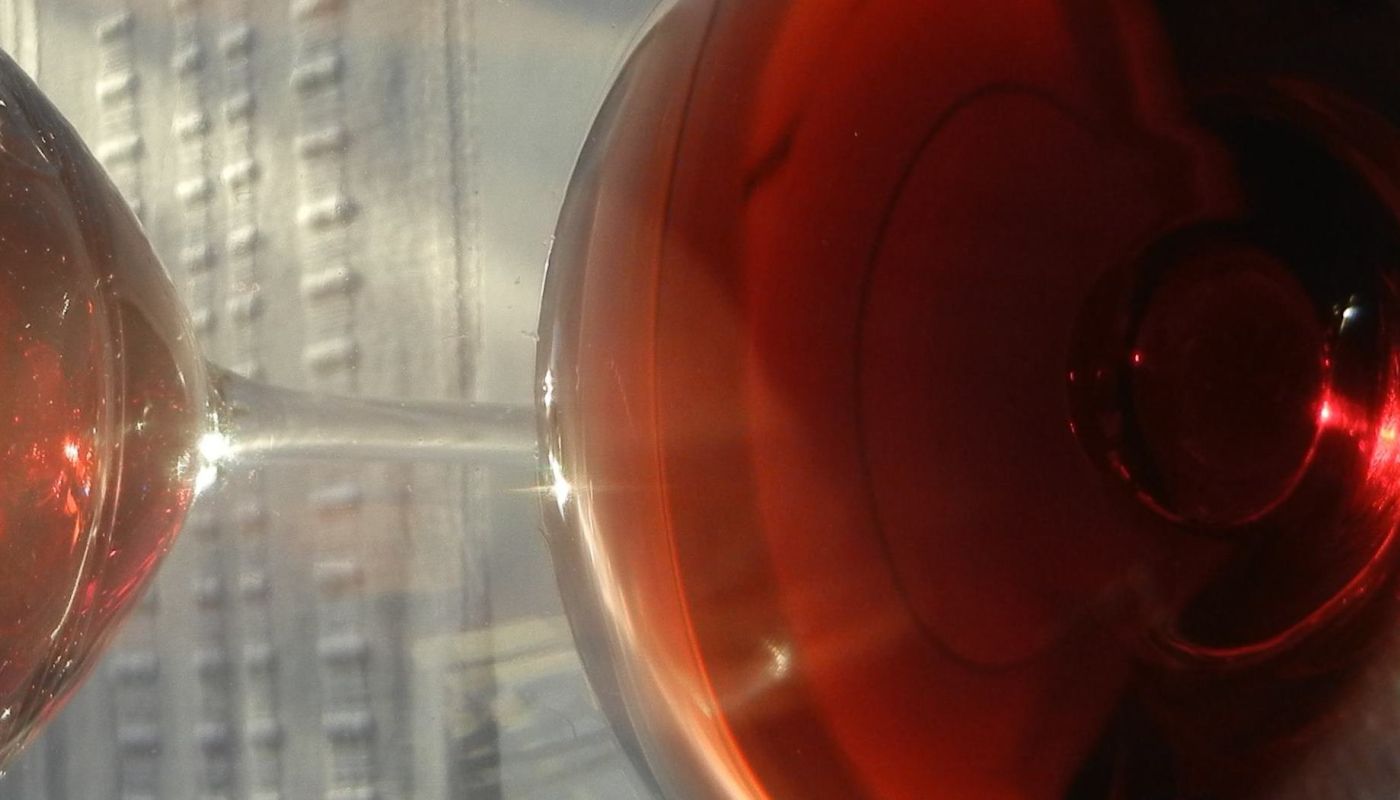
まず、グラスに見える時には非常に淡く、時にはロゼのような軽やかさと、これほど精巧で複雑で重なり合うアロマを持つ香りとの間の驚くべき乖離がある。シラー、メルロー、カベルネの激しい密集陣形と比較すると、「それはどこから来ているのか?」と問わずにはいられない。ピノ・ノワールが詩的な何かを語ろうと動かされるとき、その風味は絹のような、エーテルのような、ビロードのような、レースのような、繊細な、独特な、森の、野性的な、ハーブの、ミネラルの、そしてあらゆる種類の赤と黒の果実を含むことができる。「集中した」、「精密な」、「空中の」、「ソプラノ」、「交差する流れ」、「豪華な」、「幽霊のような」、「響く余韻」などの記述子と何百もの他の言葉が心に浮かぶ。それを擬人化しないことは極めて困難だが、時には人格に出会っているような気がする。その風味の波は皮肉的と表現され、その風味の発言は神秘的に思えることがある。ピノ・ノワールほど複雑な思考と感情を呼び起こすブドウは他にない。
それは私たちの間に、異言で語る老詩人として生きているのだ。
















