この記事は、できるだけ早くお届けするためにまずAIで翻訳したものです。今後はAIに教育を行うことでその精度を上げること、それと並行し翻訳者が日本語監修を行った記事と、AI翻訳のみによる和訳記事を明確に分けることで、読者の皆様の利便性を最大限に高めることを目指しています。表現に一部不自然な箇所がある場合があります。ご了承ください。
レイチェル・B・アリソンについて レイチェル・B・アリソンは、ペンシルベニア州立大学のポスドク研究員で、酸化還元とワインのフレーバー化学を専門としている。ワイン教育とサイエンス・コミュニケーションに情熱を注ぎ、熱心なテイスティング・ホストでもあり、ワインの語り継がれる伝統に科学を織り込んでいる。WSET ディプロマの取得も間もなく完了予定だ。学術研究では、技術的な研究とワイン業界での実用的な応用を橋渡しし、包装、加工、保存がワインの品質に与える官能的・化学的影響を探求している。
この記事は、できるだけ早くお届けするためにまずAIで翻訳したものです。今後はAIに教育を行うことでその精度を上げること、それと並行し翻訳者が日本語監修を行った記事と、AI翻訳のみによる和訳記事を明確に分けることで、読者の皆様の利便性を最大限に高めることを目指しています。表現に一部不自然な箇所がある場合があります。ご了承ください。
リースリングが私を賢くしてくれた
「あなたはどんなワインが好きですか?」
その質問が私に向けられたのは、新しいワイン仲間同士が知り合う時によくある、友好的な品定めの場面だった。大学院生の仲間たちが教室の片隅のテーブルに集まり、慎重に隠してきたボトルを回し合いながら、前週のブラインド・テイスティングで物議を醸したワイン(確かアリゴテ (Aligoté) だったと思う)について和気あいあいと議論していた。私を誘ってくれた同級生が身を乗り出し、集まったメンバーについて手短に説明してくれた。経験豊富なセラー・ワーカーやハーベスト・インターン、ワイン一族の御曹司が何人か、そして高級レストランのソムリエもいた。
ワインの歴史を持つワイン関係者が集まる部屋で、私は科学の世界からワインの世界に迷い込んだばかりだった。幻滅したエンジニアだった私は、ワイン化学の博士課程に方向転換したのだ。フレーバー化学をいじった経験は少しあったが、時々ワインを一杯飲む程度で、そのテーブルで何をしているのか全く分からなかった。
だから、運命の質問をされた時、私は正直に答えた。無害で異論の余地のないワイン、追加の質問を一切引き起こさない中立的な答えになるだろうと思ったものを。
「リースリングです」
そんなつまらない答えをしてしまったことに、なんとなく申し訳なく、ばかばかしくさえ感じた。結局のところ、これはオンタリオで育った私がどこでも見かけたブドウだった。リースリングは州の標準的な店で目立つように陳列され、知名度のあるブドウで、誰もが飲むワインだった。太陽のような感じで、花やレモネードの香り、時にはハチミツの香りがして、時々少し甘いけれど、いつもとても爽やかだったことを覚えている。ワインと料理のペアリングについて全く無知だった私の常識を覆すようなワインだったことも覚えている。重要なのは、私がそれを好きだったことをはっきりと覚えていることで、ワインについてほとんど何も理解していなかったにもかかわらず、リースリングは私が興味を持つのに十分なものを容易に与えてくれたのだ。
私は大学に行くまでワインに触れることなく育った。大学では、より洗練された友人たちが食事体験におけるワインの重要性を私に印象づけた。馴染もうと必死だった私は、ワインを見つけに出かけた。寮の近くの店では、カナダのボトルが正面に誇らしげに陳列されており、そのセクション全体が「これらのワインはあなたのためのものです!」と宣言するようにキュレーションされているようだった。近くにいたカップルがピノ・グリージョ (Pinot Grigio)というワインについて議論していたが、私には馴染みがなかった。威圧的な名前のゲヴュルツトラミネール (Gewürztraminer)にも気づいたが、率直に言って危険な選択に思えた。しかし、通路を行ったり来たりしているうちに、リースリングがいくつも目に入った。人々は本当にこのブドウが好きなのだろうと私は推測した。
時代を超えた伝統に従い、私は最も美しいラベルを選び、明るいオレンジと黄色の配色で蝶の絵が描かれたボトルを手に取った。その夜遅くにボトルを開けながら、私は自分の選択を評価する時間を取った。気に入った。振り返ってみると、それはおそらく特別なワインではなかっただろう。しかし、私を驚かせたのは、好きだっただけでなく、それが興味深いものだったことだ。2口目は1口目とは違い、ある瞬間は花のようで、次の瞬間はフルーティーだった。予想外だった。生涯学生だった私にとって、リースリングは抗いがたいものだった。
「リースリングです」と私は答え、部屋を見回した。
いくつかの驚きの表情を目にした。短く上がった眉毛。つぶやかれた「興味深い選択ですね」。
その後の1時間で、リースリングが私の知っているものとは全く異なるペルソナを持っていることを理解するようになった。リースリングは遍在するものではなく、確実に中立的な答えでもなかった!私の穏やかなカナダ人気質にもかかわらず、私は無意識のうちにワインについて物議を醸す意見を獲得していたのだ。そして、リースリングからのその思いがけない支持のおかげで、面白いことが起こった。人々が私を過大評価し始めたのだ。
これは孤立した経験ではなかった。何年もの間、リースリングへの私の親近感は、私のワインの知識が実際よりも豊富であること、私の味覚が経験豊富であること、私が美食のワインを知っていること、そして何らかの形で、私が他のものを見て最高のものを宣言したことを示唆し続けた。それがソムリエたちの間で人気があることを知るようになった。彼らは豊富な経験を持ち、私が大学初期に偶然発見したのとほぼ同じ理由でそれを評価しているようだった。一方、リースリングは私に真剣なワイン愛好家たちのテーブルへのアクセスを与えてくれ、そこで私はワインの多様性を味わった。これは経験豊富な味覚のための「真剣な」リースリングで、香りは詩的な言葉で表現され、美しさと調和を暗示し、骨格は幾何学的な用語で表現され、すべての角度、線、精密さが語られた。そのワインはとても理解しがたく、全く異なるブドウのように感じられた。
これが私の知っている控えめなリースリングと同じものであり得るのか疑問に思った。
科学は、真剣なリースリングと私が最初に出会った気さくなブドウを調和させる道を与えてくれた。リースリングはいつも私に太陽を思い起こさせていた。太陽光は、特徴的なペトロール香化合物への豊富なフレーバー前駆体を発達させるブドウの樹の代謝にとって重要だった。酸化還元スペクトラム全体でのフレーバー化学に関する私自身の研究は、多くの花やハチミツの香りの相対的安定性、それらが準安定エネルギー状態で共存し、時間の経過とともにリースリングの性質を変える平衡を漂っていることを明らかにした。
結局のところ、真剣なリースリングと控えめなリースリングは同一のものだった。
リースリングは素晴らしい教師でありメンターで、ワインと格闘し、テーブルで席を確保することにおいて科学と芸術の両方の支持者だった。どういうわけか変化しやすいのに、常に強いアイデンティティの感覚を表明することができた。
「あなたはどんなワインが好きですか?」
リースリングの指導の下で何年も過ごした今、私は心に浮かんだ今日のワイン (du jour)について詳しく説明する機会に飛びつく。答えは確実に変わるが、私たちが話している間、いつでも喜んでリースリングのグラスをシェアしたいと思っている。
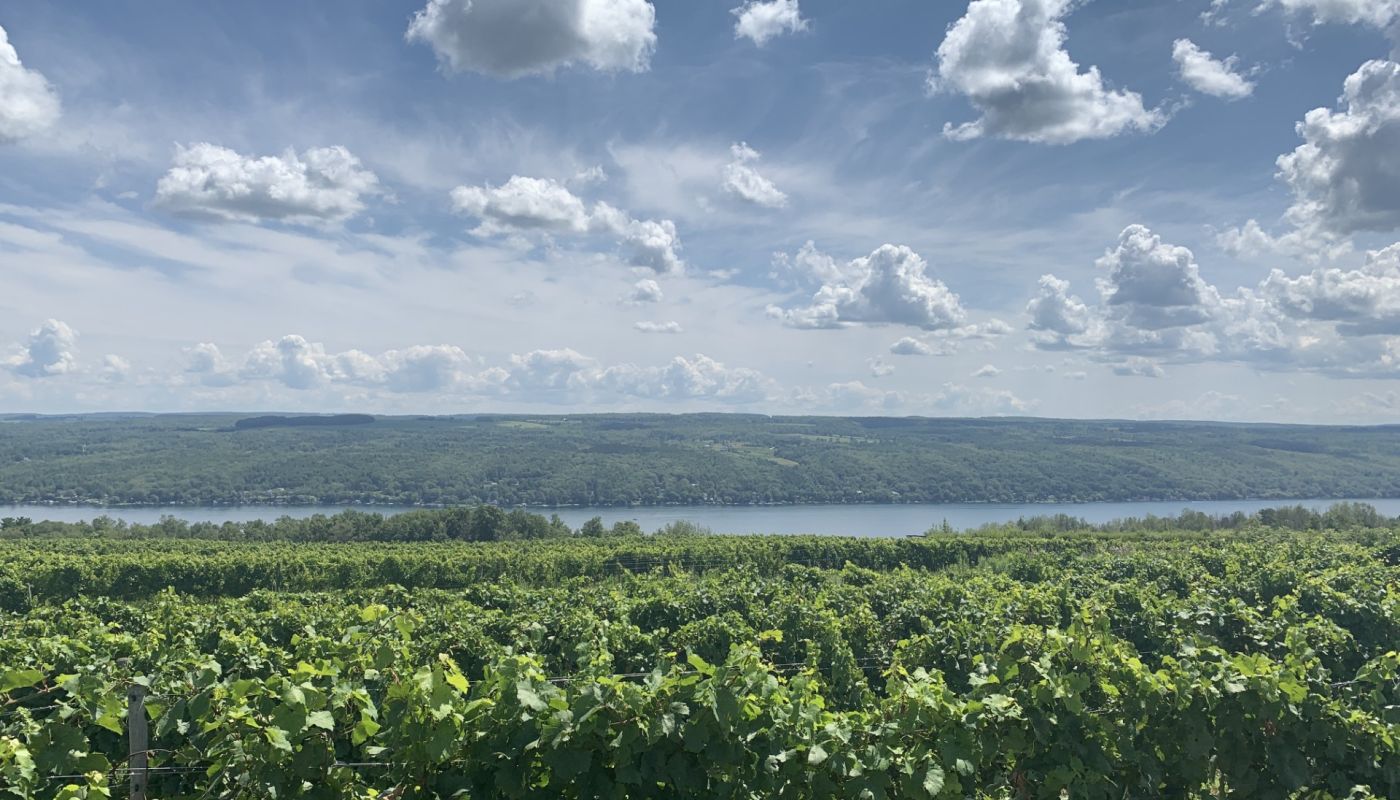
写真は著者自身のもの。キャプション:「フィンガー・レイクスを見下ろして、または私がワイン化学を学んだ場所」