この記事は、できるだけ早くお届けするためにまずAIで翻訳したものです。今後はAIに教育を行うことでその精度を上げること、それと並行し翻訳者が日本語監修を行った記事と、AI翻訳のみによる和訳記事を明確に分けることで、読者の皆様の利便性を最大限に高めることを目指しています。表現に一部不自然な箇所がある場合があります。ご了承ください。
イラ・キム (Illa Kim) について イラ・キム DipWSETは韓国生まれ、ドイツ育ちのレストラン経営者で、現在はシドニーを拠点としている。大胆な味わいとさらに大胆なワイン・ペアリングで知られる現代韓国料理レストラン、SOUL Diningの共同オーナーだ。ホスピタリティ業界に入る前は、ベルリン、ソウル、シドニーでクリエイティブ・コミュニケーションの仕事に従事していた。現在は自身のブログでワインの勉強や出会った人々の話を綴っている。韓国語、ドイツ語、英語に堪能なマスター・オブ・ワイン受験生として、アジアの視点に焦点を当てたワインの普及に取り組み、文化をつなぎ、味覚、アイデンティティ、伝統をめぐる対話を開いている。
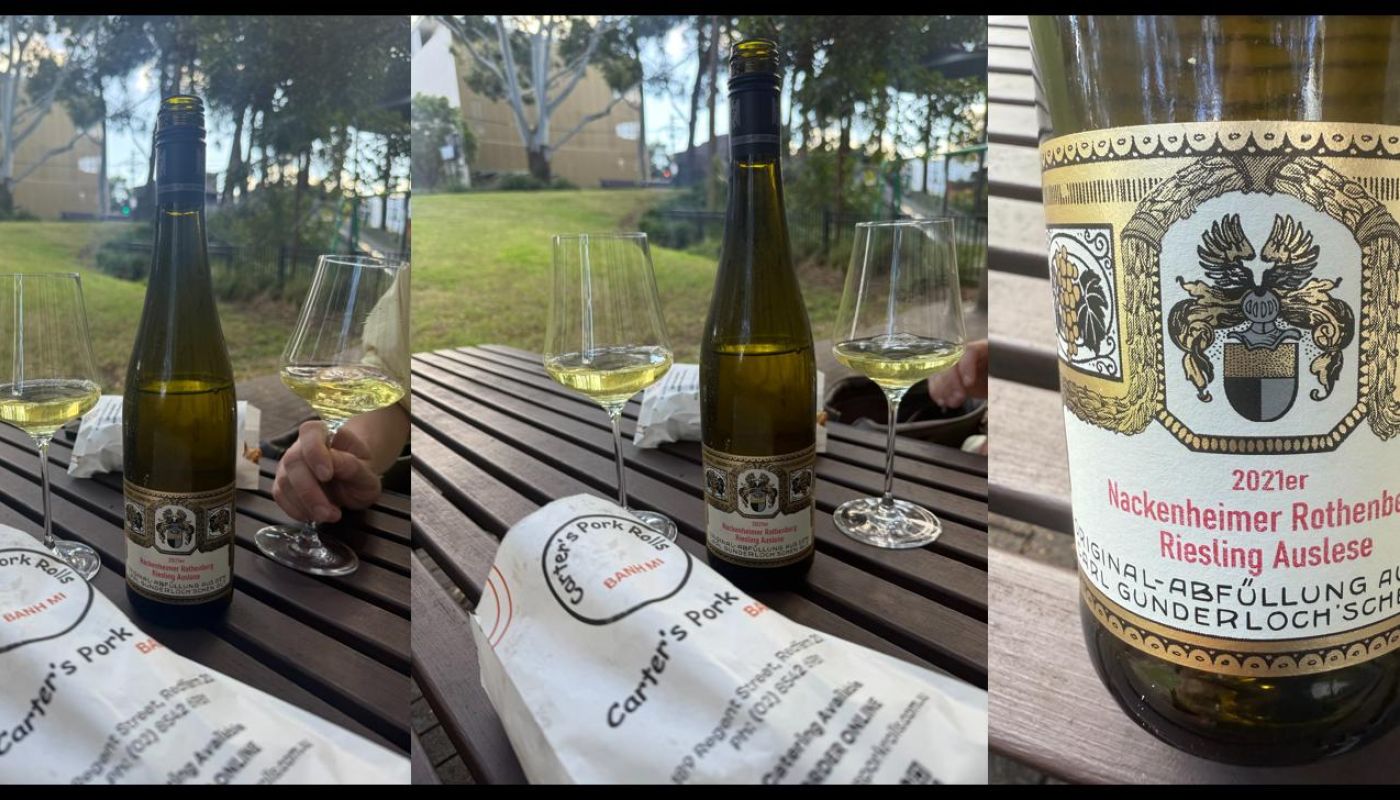
### ウイスキー色の紅茶からアイスヴァインまで:リースリングの物語 ワイン・オタクとして、ワインを飲まない人にワインを紹介するのが大好きだが、私のワインの旅で最も包括的なブドウ品種は常にリースリング (Riesling) だった。 リースリングの本場ドイツで韓国人の少女として育った私にとって、飲酒文化にまつわる多くのことは新鮮で神秘的だった。友人の家の地下室にワインやビールが貯蔵されていることから始まり、16歳になると(ドイツでワインを飲める法定年齢)夕食の席で飲み物を勧められるようになった。しかし、両親から受け継いだ文化的DNAは、これとは正反対のものだった。 母は機会があれば素晴らしいワインの鑑定家になれたはずだと思う。2人の子供を連れて留学し、夫を一人残して約10年間面倒を見させるという、母の世代としては勇敢で、ほとんど急進的とも言える行動を取った母だったが、同時に1970年代の韓国では女性の飲酒が適切とは考えられていなかった時代の、道徳的に模範的な女性でもあった。30年後、私が友人との飲み会から帰宅すると、母は時代が変わったことは受け入れたが、私が実際に飲み物そのものを楽しんでいるとは想像もしていなかった。単に社交的なものだと思っていたのだ。 対照的に父は、特に1980年代のバー中心のビジネス文化において「男らしく飲む」ことを期待されていた。しかし父はALDH2欠損症(東アジア人の30〜50%に影響する遺伝的疾患で、アルコールの代謝を困難にする)を患っていたため、早めに到着してバーテンダーに賄賂を渡し、ウイスキー色の紅茶を出してもらっていた。自身のアルコールとの苦闘があったため、私が同じ不耐症を持たないことを喜び、ゴルフ仲間に私の飲み物好きを自慢さえしていた。母は恥ずかしがりながらも少し面白がって、私の結婚市場での残りの見込みはこれで終わりだと宣言した。 人生の大部分をドイツで過ごしたにもかかわらず、そこにいる間はリースリングにあまり触れる機会がなかった。おそらく70年代と80年代の大量生産された甘いスタイルの評判からまだ回復していなかったのだろう。ベルリンの20代の多くはピノ・グリージョ (Pinot Grigio) やプロセッコ (Prosecco) を選んでいた。リースリングはやや時代遅れと見なされていたのだ。私も単に甘すぎる白ワインだと誤解していた一人だった。モーゼル (Mosel)、ナーエ (Nahe)、ファルツのワイナリーが週末の電車旅行で行ける距離にあったのに、その機会にドイツの素晴らしいワインを発見しなかったことを今では深く後悔している。 しかし、リースリングは最終的に私のもとにやってきた。2000年代初頭、大韓航空が免税品カタログにカナダのアイスワイン、イニスキリン (Inniskillin) を追加した。海外旅行後の高級酒の贈り物は韓国では一般的で、通常はスコッチやコニャックで、父はよく再贈答していた。友人がアイスワインを勧めてくれた。アルコール度数が低く、蜂蜜のように甘いというのだ。それは父が心から楽しんだ初めてのアルコール飲料だった。 その後すぐに、父は次の休暇の帰省時にドイツのアイスヴァイン (Eiswein) を持ち帰ってほしいと頼んできた。当時の私の定番「ワイン・ショップ」はアルディで、3ユーロのキャンティ・クラシコ (Chianti Classico)(ピンクの帯と雄鶏が品質を示すと誰かに教えられていた)を買うか、エデカで10ユーロのシャトーヌフ・デュ・パプ (Châteauneuf-du-Pape) を奮発するかだった。主にシャトーヌフ・デュ・パプと言うのが好きだったからだ(とても洗練された気分になれた)。しかし、どちらでもアイスヴァインは見つからないことは分かっていたので、ヨーロッパで最も歴史ある百貨店の一つであるカーデーヴェー (KaDeWe) に行き、375mlボトルを45ユーロで購入した。ハーフボトルでほっとした。学生にとって45ユーロは大きな出費だった。 それは我が家で初めてワインのボトルを分け合った時だった。テイスティングして思ったことを覚えている。甘いワインが好きかどうかに関係なく、その品質は議論の余地がなかった。それ以来、リースリングが我が家のワインとなった。 申し訳ないが、ヴィダル (Vidal)。ドイツとのつながりとその共有体験が、リースリングを自然な選択にしたのだ。結局のところ、父が家族とワインを楽しむ手助けをしてくれたブドウなのだから。 オーストラリアに移住した後、リースリングへの魅力はワインへのより広い好奇心へと発展した。この国は、まったく異なる光の中でこのブドウ品種を私に再紹介してくれた。シドニーの長く晴れた夏は、クレア・ヴァレー・リースリング (Clare Valley Riesling) の鋼のような、鋭い酸味を心から感謝させてくれる。これほど厳格で爽やかなスタイルは、この品種について私が知っていると思っていたすべてに挑戦した。 この多様性と表現力こそが、リースリングを単なるお気に入りのブドウ以上のものにしている。私のワインの旅において、時には世代間の橋渡しをし、時には私が故郷と呼ぶ文化の結びつきの要素となった。アジア料理とワインをペアリングする際、お客様の心を開く扉となるのだ。実際、リースリングは様々な形とスタイルにおいて、複雑さとバランスに関するものだ。親しみやすくも洗練され、親しみやすくも真剣で、世界の偉大なブドウ品種すべてによくあることだ。その驚くべき熟成ポテンシャルを加えれば、誰にでも合うリースリングがあることが分かるだろう。 両親は娘がワインの勉強にこれほど深く没頭していることにいまだに驚いているが、私と一緒にその旅を楽しむようになった。彼らは常に歴史と文化の愛好家だった。これを書いていて気づいたのは、我が家の共有ワイン体験の次のステップの時が来たということだ。バイン・ミー (Banh Mi) とアウスレーゼ・リースリング (Auslese Riesling) のペアリングだ。 **インサイダー・ティップ:** この組み合わせを見逃せないものにするのは、エクストラ・チリとエクストラ・パテだ。ぜひ試してみてほしい。メイン写真キャプション:「2025年5月、シドニーの公園でバイン・ミーとペアリングした2021年グンダーロッホ・リースリング・アウスレーゼ (Gunderloch Riesling Auslese)」
この記事は、できるだけ早くお届けするためにまずAIで翻訳したものです。今後はAIに教育を行うことでその精度を上げること、それと並行し翻訳者が日本語監修を行った記事と、AI翻訳のみによる和訳記事を明確に分けることで、読者の皆様の利便性を最大限に高めることを目指しています。表現に一部不自然な箇所がある場合があります。ご了承ください。



ゲスト寄稿者













