It may seem strange but I wonder whether the implications of this wretched virus on restaurants, and simultaneously how customers will use them once they reopen, could signal a return to the restaurants of the past. A Back to the Future transition, if you like.
To explain what I have in mind, let me take you back to the restaurants of 50 years ago.
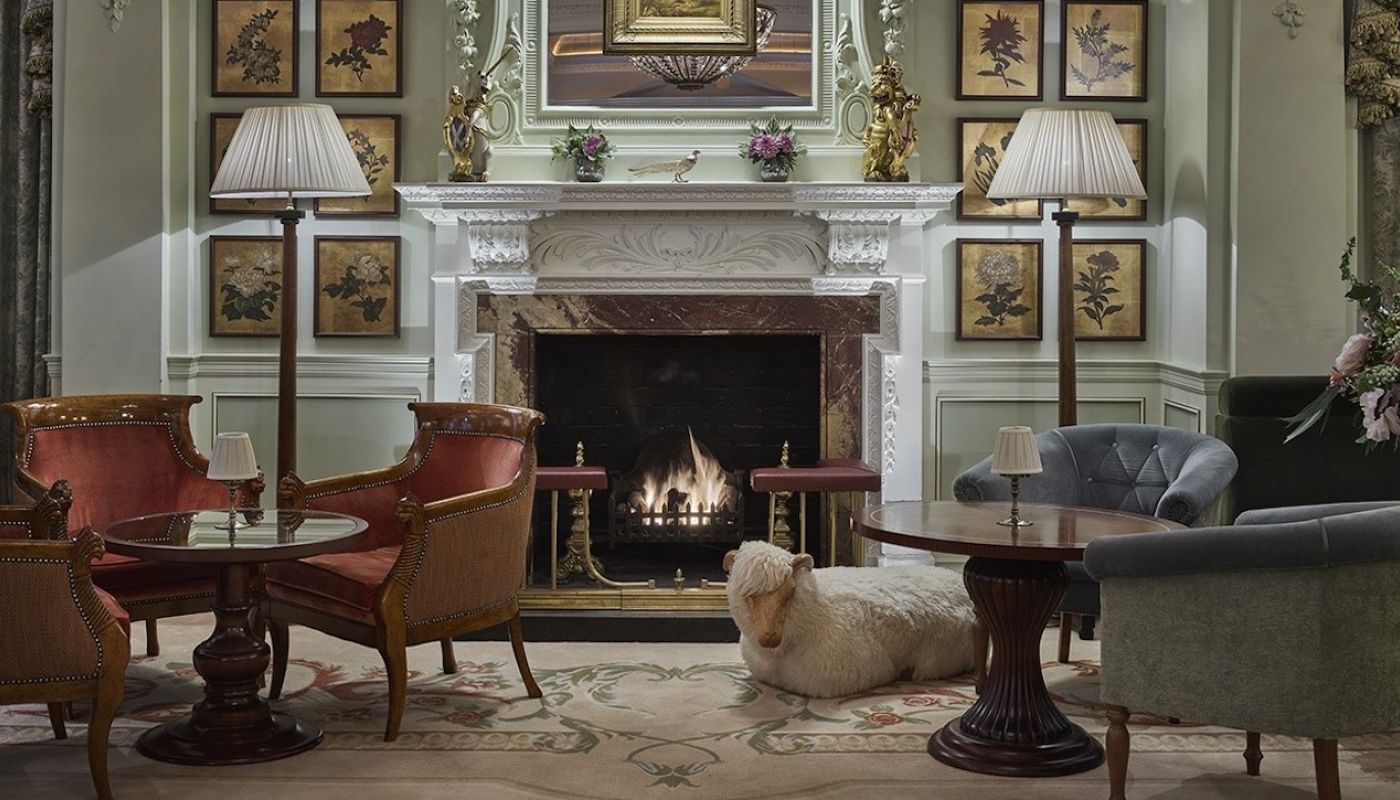
In that era, wherever it was possible, most restaurants had a bar area. This came replete with armchairs and a bar in the corner. Once they had passed an invariably fearsome receptionist who had taken their coats, guests would be escorted there and invited to take a seat. They would be expected to order a drink and might well be offered a range of nibbles whose quality would be determined by the culinary ambitions of the kitchen.
After a few minutes the customers would be offered a menu which they would peruse (to use a word that I have probably not used for 50 years) and their order would be taken, often by the maître d’, not infrequently the chef’s wife. The order taken, it would then be handed to a junior who would dash it off to the kitchen while the customers finished their drinks. The words ‘Your table is ready’ would then usher the guests into the restaurant and the meal would get underway.
This system still prevails in certain restaurants. At Le Gavroche in London, the ground-floor bar is still used as a place where customers can sit and have their order taken before going downstairs to the restaurant. Rona Pitchford has been taking orders in the drawing room of the manor house that is the restaurant with rooms, Reads in Faversham, Kent, for decades. And I experienced this stately ritual most recently, in October, at the Troisgros family’s exceptional restaurant with rooms outside Roanne in eastern France.
This system had its admirers and its raison d’être. Most notable among the former was the late novelist Sir Kingsley Amis, who was an influential restaurant reviewer when I was a restaurateur during the 1980s. In an obituary of Amis in 1995 Eric Jacobs, writing in The Guardian, described him as ‘a scourge of modernities in all things from poetry to restaurant food’. In fact the rumour was that Amis would never even enter a restaurant that did not have a comfortable bar area where he could enjoy a pre-dinner drink or three before moving on for the solid part of the meal. One of the most depressing sayings in the English language, according to Amis, was, ‘Shall we go straight in?’
I never encountered this personally because within weeks of opening L’Escargot in Soho we had abandoned our bar area. It had been thoughtfully set up in front of a fire on the ground floor with armchairs and a couple of couches on either side of the fireplace. This arrangement lasted no more than three weeks. The couches were removed and replaced with small tables at which couples, or fours, could sit, drink and eat. That was the summer of 1981 and inadvertently a new approach to restaurant design and layout was underway.
This was partly a mistake on our part. I was 29 at the time, my designer 30, and yet our experience of restaurants had principally been in those places where orders were taken and drinks served. Our new customers, it took us only a matter of weeks to realise, simply did not want this. They wanted to look their companions in the eye across a table. They were much younger than we had expected and wanted to drink and to eat as soon as they sat down. And our waiting staff preferred this too as they did not have to bend down to try and catch what the customers were saying. (The couches ended up in a hostel down the street.)
I claim no credit for this transformation but it is one that has only accelerated thanks to several interwoven factors. The first was the massive increase in the number of customers who did not have limitless time and were keen to get straight to enjoying a restaurant’s food – and often nowadays to post pictures of it on Instagram.
Then there has been the vast increase in the number, and importance, of women eating out, and it is men who in my experience constitute the majority of any bar’s customers. Women are now the main decision-makers in where tables are booked, and how they are treated by the restaurant often determines any restaurant’s future. In the UK instead of the late Bernard Levin in The Times and Sir Kingsley Amis there is now Marina O’Loughlin at The Sunday Times and Grace Dent at The Guardian. At The Spectator Tanya Gold now writes the restaurant column.
The final nail in the coffin of separate bars that stood empty until about 8 pm were rising rents. No restaurateur could afford to justify the space devoted to them and they went, with only hotels such as The Goring (see above) able to accommodate this luxury of a bygone era. As younger customers did not seem to mind sitting much closer together, so they did not mind having their pre-dinner drinks at the same table as their food. Small merged with intimate.
Other changes followed. ‘No bookings’ was one, with customers seemingly more than happy to wait for their table. Holding on to your own coats was another as cloakrooms were considered too expensive an overhead. And the future could have been even more integrated. One suggestion I heard from those I respect in the business was that such was the pressure of rapidly increasing rents that it had reached the stage where the best-managed restaurants would be those that could most closely integrate their kitchens and their bars into their menus and work from the same ingredients.
The pandemic has made a nonsense of all these predictions, for two apparently unconnected reasons.
The first is the dramatic recent shift in power from the landlord to the restaurateur. With so many premises lying empty, once everyone has been vaccinated fortune will favour only those brave enough to step up and take their chances. Space will no longer be at a premium. Restaurateurs will be allowed to stretch their imaginations in many ways that the constrictive leases of the past would never have allowed: to let their customers breathe more easily.
The second factor is more personal but I believe applies to everyone. We have all missed each other so much over the past 10 months that I have a long list of friends that I would happily just sit with.
Somewhere that is comfortable and where the selection of drinks and nibbles are good. A bar with a restaurant attached, perhaps?