Last March I gave several talks in Tokyo to Japan’s exceptionally numerous and exceptionally polite wine lovers in which I extolled the newfound virtues of English sparkling wine.
If anyone had told me even as recently as 20 years ago that I would be doing such a thing, I would not have believed them. When I started writing about wine in the 1970s I was solemnly told that Asians would never embrace wine, that there was something about their physiology that would always prevent them from appreciating fermented grape juice. At that stage Asia was admittedly in thrall to beer and spirits, but nowadays some of the most dynamic markets for wine are in Asia. Just before flying east I had, as usual, acted as a judge in the annual Oxford v Cambridge wine-tasting competition. All the top-performing blind tasters had been of Asian origin, as have been many of the WSET top students recently.
But if the map of the world’s wine consumers has changed radically over the last few decades, the map of the world’s vineyards has changed even more radically and more recently.
A major factor in the poleward drift of the world’s wine regions has of course been climate change. Although not every year is kind to them, English vignerons have been prime beneficiaries of warmer summers and riper grapes, so that there are now more than 2,000 ha (5,000 acres) of vines farmed by 470 growers and 135 wineries in the UK. Who’d have thunk it?
But then Holland, Belgium and to a lesser extent Denmark, Sweden and Poland all have fledgling wine industries – proper industries, not hobby activities. Even Norway has a vineyard, planted hopefully by Klaus Peter Keller in the light of the warming of the planet.
In much of the southern hemisphere there is not that much further towards the South Pole that the vine can reach on land, although we are continuing to see experimental plantings ever further south in Chilean and Argentine Patagonia.
Global warming has had extraordinary effects on established vineyards, too. The dramatically increased overall quality in dry German wines, white and red, owes much to the changing climate there, as well as to increased proficiency among German growers and winemakers and a real will to make fine dry wine. Eastern Canada now has a serious, grown-up wine industry making wine from fully ripe grapes, red as well as white. The new fourth edition of The Oxford Companion to Wine had entries not just on Ontario but on Nova Scotia and Quebec.
In the American Midwest, wine industries such as those of Michigan are being revived, partly thanks to climate change. But also thanks to an increase in quality in the hybrids that thrive there. Creative grape breeders have contributed significantly to this in recent times.
In Burgundy there are appellations once regarded as rather marginal – the Hautes-Côtes above the famous strip of Côte d’Or vineyards spring to mind – that are now coming into their own. And villages such as St-Aubin, St-Romain and even Pernand-Vergelesses whose wines were once thought of as ‘weaker’ than Meursault, Puligny-Montrachet, Chassagne-Montrachet and Aloxe-Corton but whose wines are now at least their equal thanks to the effects of warmer summers.
The Loire deserves to benefit commercially from more reliable grape ripening, whereas some producers in Champagne are starting to worry about plummeting acid levels in their grapes after warmer growing seasons. (One of the reasons, perhaps, why Champagne Taittinger recently announced it was investing in a new vineyard in southern England.)
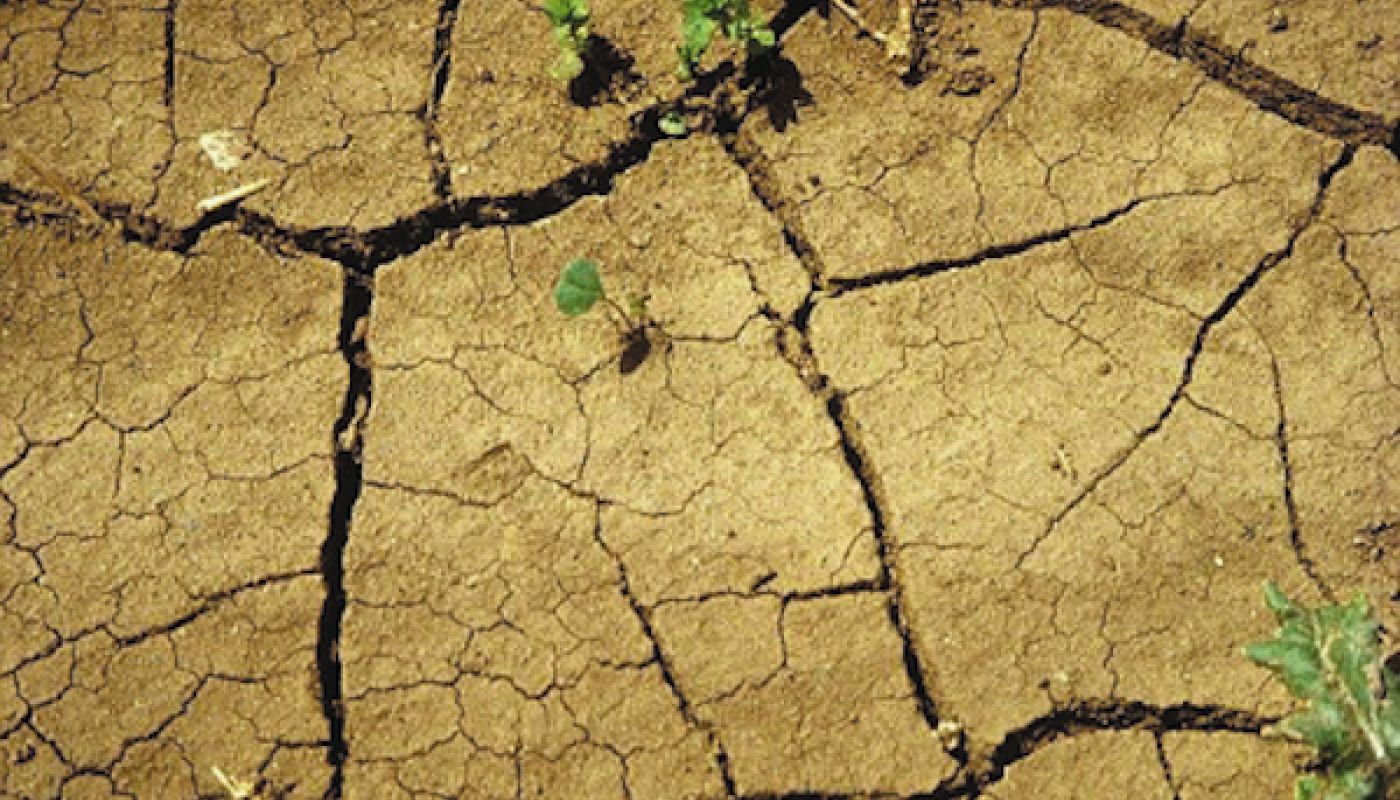
Of course climate change has not brought consistently warmer growing seasons, and most meteorologists would agree that there has been an increase in what they so charmingly call ‘weather events’, dramatic phenomena such as flooding, unseasonal frosts and, especially, drought (see Alder’s latest despatch from California, for example).
A shortage of affordable, good-quality water has been reshaping the wine map of Australia, putting grape growers out of business in the inland areas such as Riverland. For some of them it is more profitable to sell water than to sell grapes. And many an Australian grower in slightly more vine-friendly environments is being forced to rethink their grape variety mix, wondering whether varieties accustomed to the very hot summers of parts of Spain, Portugal and Italy are not a better long-term proposition than the traditional (French) triumvirate of Shiraz, Cabernet and Chardonnay (see Stephen Pannell on this topic).
Until the unusually wet spring of this year, many California growers began to worry about the sustainability of their business, so long had the drought there – where irrigation is de rigueur – persisted. Even in Chile and Argentina, meltwater from the snow-covered Andes can no longer be relied upon quite so unthinkingly.
Climate change is having some negative effects in Europe, too. The profile of Châteauneuf-du-Pape has changed considerably. Wine students of old dutifully learnt the appellation’s distinguishing marks: not just more permitted grape varieties than any other French wine but – gasp – a minimum alcohol level of 12.5%! Nowadays alcohol levels of 16% in the reds are by no means uncommon.
In Austria, on the sun-baked south-facing slopes of the Danube, some producers have been buying land even higher than the northernmost limit of the Wachau appellation in anticipation of its becoming more suitable terrain for the vine than the (irrigated) terraces now considered the heartland of the Wachau.
Italy has seen a succession of very hot and very wet vintages, with growers, as elsewhere, having to be more creative than they have ever been in their strategies to cope with completely unfamiliar weather.
Fortunately communications in the world of wine are better than they have ever been. Practically every wine producer nowadays has first-hand knowledge of several other wine regions. Younger generations – whether in Europe or elsewhere – have generally done several internships in wineries in another continent or hemisphere, so they have friends who are likely to be able to give advice on how to cope with the increasing meteorological problems that the galaxy is now throwing at us.
Who knows where we are going, but at least we have no shortage of great wine to enjoy while getting there.