
この記事はAIによる翻訳を日本語話者によって検証・編集したものです。(監修:小原陽子)
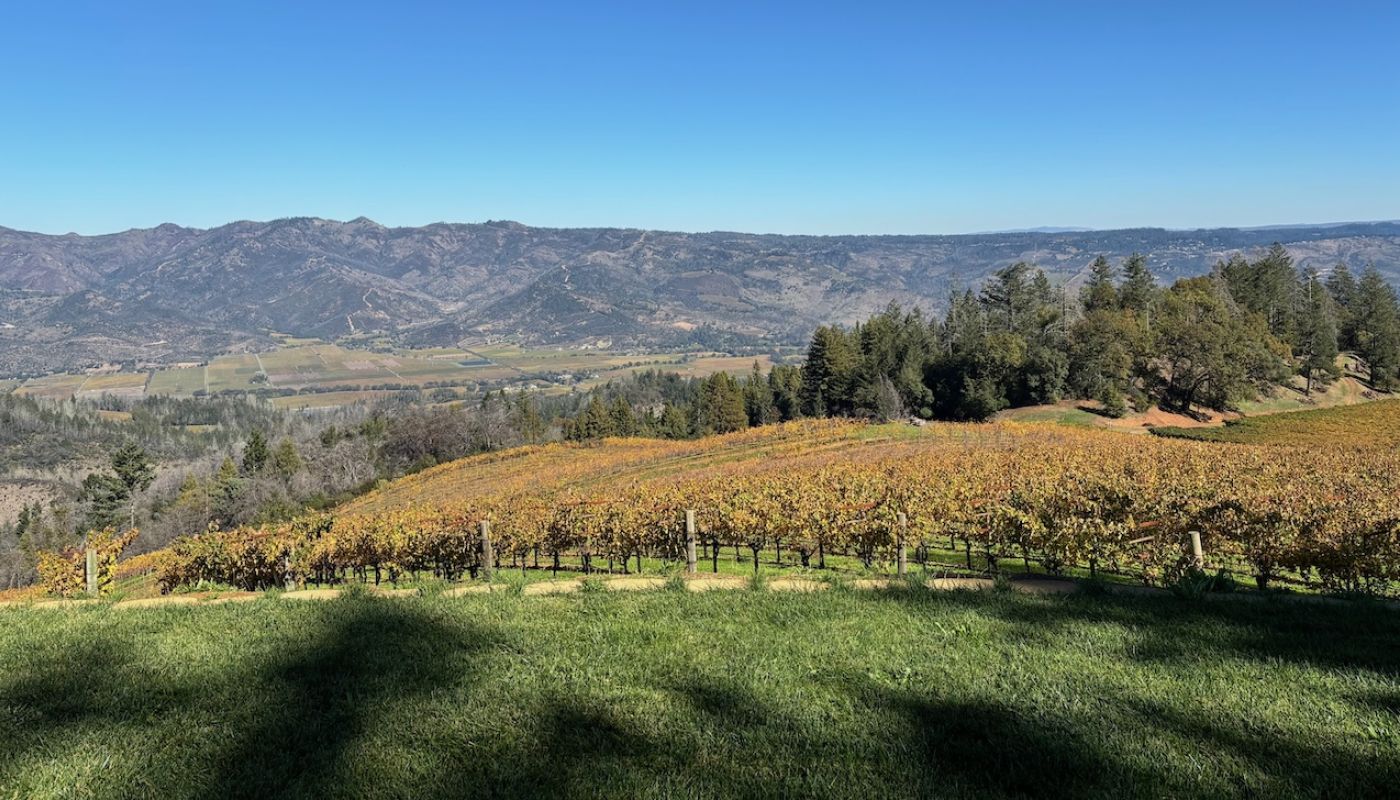
急落する需要と価格について。この記事の別バージョンはフィナンシャル・タイムズにも掲載されている。上の写真は11月上旬、ナパ・ヴァレーのスプリング・マウンテンにあるスミス・マドローン(Smith Madrone)からの眺め。「北カリフォルニアでテイスティングしたワイン」も参照のこと。
先月私が受け取ったメールの件名は「ナパ・ヴァレーの秘密:アルディが2,000ポンドのワインに匹敵する13ポンドのカベルネを発売」だった。
ほとんどのブルゴーニュ・ワイン同様、ナパのカベルネ・ソーヴィニヨンは多くの人から「価格が高すぎる」と認識されているワインのカテゴリーだ。アメリカのワイン消費者の多くは、ワイン1本の価格の出発点を100ドルと捉えている。だから、ディスカウント・ストアであるアルディ (Aldi) の購買チームが、12.99ポンド(しかもその後9.69ポンドに値下げされた)という価格で提供できる安価な商品を入手したことを誇らしく語ること自体は理解できる。だからと言って、1本の平均価格が(プレスリリースによれば)2,500ポンド以上であるカルト・ワイン、スクリーミング・イーグルと比較するのは、かなり無理があるようにも思える。アルディの2023ヴィンテージのブレンドを実際にテイスティングすると、さらに無理があることがわかった。私のテイスティング・ノートはこうだ。「濃い紫色だが、縁は非常に薄い。メガ・パープル(訳注:赤ワインに使われる着色料)が添加されているのではないか?味わいにも甘みが感じられるし、オーク・チップも使われていそうだ。痩せていて、あっという間に終わる余韻。これは本当にお薦めできないが、ナパの需給バランスに対する警鐘となることは確かだ。」
最近イギリスのスーパーマーケットに登場したもう1つのナパ・カベルネは、ずっと魅力的な味わいだったものの、こちらも北カリフォルニアのワイン関係者にとっては懸念材料となるに違いない。そのワインはこの記事で紹介した、オークヴィル・カベルネ2023だ。テスコ (Tesco) が16.50ポンドで販売している。これはナパ・ヴァレーで最も賞賛を集めるサブ・リージョンの1つで造られたワインで、上記のワインより数ポンド余分に払う価値は十分にある。
このオークヴィルのワインは、ナパ市南部の郊外にあるナビゲーター・ワイン・コレクション (Navigator Wine Collection) のものだ。同社は自社畑、長期契約を結んだ畑に加え、余剰ワインを買い上げてその売り先を見つける事業も行っているのだが、今その活動の意義が増しているようだ。他のラインナップははるかに高級なものを取り扱う同社だが、今年度は全体で20%以上の伸びを記録する見込みだという。北カリフォルニアのワイン会社としては間違いなく記録的なことだ。
数か月前、私は数日を北カリフォルニアで過ごした。そこで見聞きしたのは数多くの不況の証拠だった。秋、黄金色の葉を茂らせたブドウ畑にはまだ紫色のブドウの房が何列も、延々とぶら下がっていた。買い手がつかなかったために収穫しなかったブドウだ。業界関係者によればその比率は約20%というから相当なものだ。しかもこれらは無名の周辺地域ではなく、ナパの最も格式が高いとされる地域の話である。さらに心が痛んだ光景は、完全な更地に整然と積み上げられた枯れたブドウの樹だ。これらが引き抜かれた理由はおそらく、治療法がわかっていないレッド・ブロッチ・ウイルスに感染したか、生産が需要を上回ったためだろう。カリフォルニア・ワイン用ブドウ栽培者協会 (California Association of Winegrape Growers) の報告によれば、2024年10月から2025年8月の間、すでに38,134エーカー(15,432ヘクタール)、つまり全体の8%のブドウが引き抜かれており、さらに引き抜きは続いているとのことだ。
私はナパの西に位置するソノマで、比較的若い3人の、かなり「非コンヴェンショナル」なワインの生産者と午前中を過ごす機会を持った。彼らのボトルには同世代を惹きつけるようなラベルが貼られ、ハート・アンド・ハミングバード (Heart and Hummingbird)、ガーデン・ノーム (Garden Gnome)、ザ・レベル (The Rebel)、ヒーローズ・ジャーニー (Hero’s Journey) といった名が記されていた。これらはナパのカベルネではなく、コンヴェンショナルで安価なブドウ品種や、あまり有名でないアペレーションのブレンドだった。このうちの一人、ハーディ・ウォレス (Hardy Wallace) には以前会ったことがあるのだが、その時彼はダーティ・アンド・ローディ (Dirty & Rowdy) という名で低介入ワインを造っていた。
現在の彼の会社の名称、エクストラディメンショナル・ワイン・カンパニー・イェイ (Extradimensional Wine Co Yeah) からも、その方向性はおわかりいただけるだろう。私のお気に入りはブラッド・オレンジ・ブレンド(blood-orange blend)だ。これは長期間マセラシオンしたシュナン・ブランとローヌの白品種をブレンドし、モントレーのグルナッシュで色付けしたものだ。また、サンフランシスコの東に位置するコントラ・コスタ・カウンティにあるエヴァンジェーリョ・ヴィンヤード (Evangelho vineyard) の砂地で栽培される古木から、早摘みのブドウで仕立てたムールヴェードルも素晴らしかった。彼は17年間ワイン造りを続け、今や年に18種類のワインを少量ずつ生産するに至ったが、2025年は一滴もワインを造っていない。ワイン事業は高リスクと見なされている今、信用枠を提供してくれる銀行を見つけることができないでいるからだ。
「関税が輸出にも東海岸のビジネスにも壊滅的な打撃を与えています。ニューヨークとフロリダは輸入品でいっぱいで、これ以上何も受け入れられない状態です。」関税導入を見越してアメリカに駆け込みで入ってきたヨーロッパのワインが流通システムの停滞を招き、カリフォルニアにとって最も重要な輸出市場であるカナダへの輸出は泡と消え、メディアの見出しはアメリカでのワイン販売が全体に縮小傾向にあることを騒ぎ立てる。「これは私たちだけの問題ではありません」とウォレスは付け加えた。「私たちはこれまでで最高の仕事をしていますが、現時点でトンネルの先に光は見えません。」
かつて強気にワインの割り当てを決めていたナパ・ヴァレーのカベルネ生産者たちも、(劇的に縮小したものの)まだ生き残っている流通業者から「ジャスト・イン・タイム」方式の購入に切り替えられるという現実に直面している。在庫の山はあちこちで積み上がっているのだ。
ブドウ栽培者の状況はさらに深刻だ。彼らはワインではなくブドウを売る必要があるが、ワイン生産者はこの縮小する市場のせいで弱気だ。その結果、西海岸全体でブドウ買取契約のキャンセルが相次いでいるそうだ。もちろん、これは栽培者が1年間のブドウ栽培に資金を投入し、ブドウ畑の管理会社に対する1シーズン分の料金、あるいは自社のブドウ畑労働者へ給与を支払った後のことだ。そうなると大規模な投げ売りをするしかなくなる。その結果、話はナビゲーター・ワイン・コレクションのような業者が格安で手に入れることができるバルク・ワインにとどまらない。上述のソノマでのテイスティングでは、クレイグスリスト (Craigslist;地域の情報交換サイト) で新しいフレンチ・オーク樽200個を売りに出すワイナリーもいるという噂だった。
市場の縮小は、トップ生産者にも影響を与えているようだ。ナパ・ヴァレーのオークヴィルにあるマーサズ・ヴィンヤードの濃厚なカベルネ・ソーヴィニヨンで世界的に有名なハイツ・セラーは、カリフォルニアで初めて畑名を明記したワインの1つだ。(『世界のワイン図鑑』のラザフォードとオークヴィルの地図も参照のこと。)その所有者のメイ・ファミリー (May family) は今年、50年以上の歴史の中で初めてハイツ以外の買い手にブドウを販売した(ちなみに、ハイツの訪問は1人あたり最大350ドル+税という価格設定だ)。
レッド・ブロッチ・ウイルス、市場の嗜好の変化、需要の縮小という三重苦は、市場に必要な軌道修正をもたらしてくれるという見方もできる。冬の間、長期にわたり水没するような不適切な場所に植えられたブドウ畑は引き抜かれるだろう。優れた場所への再植樹は、クローン、台木、ブドウの樹の間隔、列の方向を改善する良い機会となるはずだ。
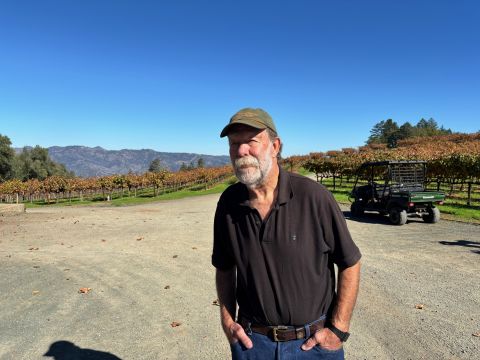
しかし、その結果として価格の再評価がもたらされるかは疑問だ。写真上のスチュ・スミス (Stu Smith) は、ナパ・ヴァレー西部のスプリング・マウンテンの高台で1970年代に森を切り拓き、スミス・マドローンという名でワインを造っている。そのワインの価格は比較的手ごろだ(エステート・カベルネ2021で65ドル)。彼は現在の状況を、「嬉々として」と言わざるを得ない顔でこう話した。「自業自得でしょう。価格が品質を上回りすぎていたからツケが回ってきたんですよ。この業界の最大の問題は価格が高すぎることですから」。
多くの生産者がワイン販売の場として期待をかけるテイスティング・ルームでも、静かに値下げが進んでいる。(平日に安くする)変動価格の設定や、きめ細かく分けたテイスティング・プランなどを提供し始めたワイナリーもある。それでも、ベイエリアやシリコンバレーからナパ・ヴァレーを訪問する人の群れは減少している。そもそも一般的な認識として、若者は親の世代よりワインに興味がない。セント・ヘレナのスポッツウッドで長年ワインメーカーを務めるアーロン・ワインカウフ (Aron Weinkauf) は、「ワインが特別なものであるという私たちの認識を、次の世代に知って、納得してもらう必要があります」と指摘する。
でも、もしかしたら私たちのすべきことは、彼らにスマホから離れ、ほんの少しオフラインで社交を経験してみるよう説得することだけなのかもしれない。
北カリフォルニアのお薦めワイン
以下のワインは高価なナパ・カベルネがすべてではないことの証明だ。最近の訪問でテイスティングしたカベルネ以外のエキサイティングなワインも含まれているので、まだ一般には流通していないヴィンテージが多くある点はご留意いただきたい。可能な限りイギリスの取扱店を記載し、それ以外はWine-Searcher.comでのアメリカにおける最低価格を記載した。
※訳注:以下の固有名詞はAIによるもので、日本市場におけるカタカナ表記との一貫性は確認しておりません。
白ワイン
ドライ・クリーク・ヴィンヤーズ (Dry Creek Vineyards)、 フュメ・ブラン2023 ソノマ・カウンティ 13%
2023は18.42ポンド ヴィナティス (Vinatis)
アイドルワイルド (Idlewild)、ロスト・ヒルズ・ランチ・アルネイス2023 ヨークヴィル・ハイランズ、メンドシーノ 11.5%
2023は23ドル
デザイア・ラインズ (Desire Lines)、コール・ランチ・リースリング2023 メンドシーノ・カウンティ 12.9%
2023は25ドル
グルギッチ・ヒルズ (Grgich Hills)、フュメ・ブラン2023 ナパ・ヴァレー 13.5%
2023は28.99ドル
スミス・マドローン (Smith-Madrone)、エステート・リースリング2021 スプリング・マウンテン・ディストリクト 13.2%
2021は40ドル
リッジ・ヴィンヤーズ (Ridge Vineyards)、グルナッシュ・ブラン2024 パソ・ロブレス 13.4%
2024は42ポンド ザ・ワイン・ソサイエティ (The Wine Society)
ブルリアム (Bruliam)、ハインツ・シャルドネ2023 ソノマ・コースト 13.1%
2022は65ドル
ピーイ (Peay)、マリティマ・シャルドネ2023 ウェスト・ソノマ・コースト 13%
2022は54.26ドル
グルギッチ・ヒルズ (Grgich Hills)、シャルドネ2022 ナパ・ヴァレー 14.1%
2022は29.99ドル
レイミー (Ramey)、ウェストサイド・ファームズ・エステート・シャルドネ2022 ロシアン・リヴァー・ヴァレー 13.5%
2022は69.98ドル。2021は88ポンド ベリー・ブラザーズ・アンド・ラッド (Berry Bros & Rudd)
ラッド (Rudd)、マウント・ヴィーダー・エステート・ソーヴィニヨン・ブラン2023 ナパ・ヴァレー 13.2%
2023は119.95ドル
ハドソン (Hudson)、シーシェル・シャルドネ2023 ロス・カルネロス 14.7%
2022は129.99ドル
ラ・ホタ (La Jota)、WS キーズ・ヴィンヤード・シャルドネ2021 ハウエル・マウンテン 13.5%
2021は118.32ドル
ロゼ
マーサ・ストウメン (Martha Stoumen)、ロザート No. 5 ネグロアマーロ NV メンドシーノ 12.5%
ワイン・クラブ限定
ガリカ (Gallica)、エステート・ロゼ2024 セント・ヘレナ 13.5%
2024は32ドル
赤ワイン
レイミー (Ramey)、シラー2021 ソノマ・コースト 14.5%
2021は41.94ドル – お買い得!
リッジ・ヴィンヤーズ (Ridge Vineyards)、スリー・ヴァレーズ2023 ソノマ・カウンティ 14.5%
2023は37.50ポンド ジェームズ・ニコルソン (James Nicholson)、40ポンド ヘドニズム (Hedonism) および他の多くの独立系ショップ
ガリカ (Gallica)、ロッシ・ランチ・グルナッシュ2023 ソノマ・ヴァレー 14.5%
2022は48.95ドル
アイドルワイルド (Idlewild)、ロスト・ヒルズ・ランチ・ネッビオーロ2019 ヨークヴィル・ハイランズ、メンドシーノ 13.1%
2019は60ドル
ウィリアムズ・セリエム (Williams Selyem)、ロキオリ・リヴァーブロック・ピノ・ノワール2022 ロシアン・リヴァー・ヴァレー 13.5%
211.15ポンド VINVM
テイスティング・ノート、スコア、推奨飲み頃については、北カリフォルニアでテイスティングしたワインを参照。国際的な取扱店については、Wine-Searcher.comを参照。
基本の復習
北カリフォルニア入門 |
|
ナパ・ヴァレーは最も有名なアメリカのワイン産地だが、全米のワイン生産量に占める割合は4%未満だ。カベルネ・ソーヴィニヨンはその旗艦品種で、最も高価な「ナパ・カベルネ」は、その原型であるボルドーの1級シャトーより高価だ。最近少しずつ、そして予想をはるかに上回って人気が出てきているのは、ナパのソーヴィニヨン・ブランだ。
現代のナパ・ヴァレーのワインはその多くが野心的な農家たちによって確立されたものだが、近年は資金力のある外部からの新規参入者の占める割合が増えており、ワイナリーが時として自己顕示的な「見せるための事業」のように映ることもある。栽培は一般的に、非常に熟練したメキシコ人を雇用するブドウ畑管理会社によって運営されている。
ナパの北西にあるソノマ・カウンティはナパほど開発が進んでおらず、ピノ・ノワール、シャルドネ、ジンファンデルの古樹を連想させる地域だ。その北にはメンドシーノ・カウンティや、ワインのラベルにはあまり記載されることのないレイク・カウンティもある。これらのブドウやワインの価格は比較的手頃な傾向にある。『世界のワイン図鑑』のカリフォルニア概観地図も参照のこと。 |













