この記事は、できるだけ早くお届けするためにまずAIで翻訳したものです。今後はAIに教育を行うことでその精度を上げること、それと並行し翻訳者が日本語監修を行った記事と、AI翻訳のみによる和訳記事を明確に分けることで、読者の皆様の利便性を最大限に高めることを目指しています。表現に一部不自然な箇所がある場合があります。ご了承ください。
リカルド・ヒネル=サリオラ (Ricard Giner-Sariola) は次のように書いている。カタルーニャ系の血筋と遺産を持つ私は、ロンドン北部でイギリス的な生活を送り、国際高等教育の分野で生計を立てている。かつてはワイン業界で働いたこともあり、昨年まではワイン・ソサイエティの委員会メンバーでもあった。今はワインのために生きている。そして幸いなことに、私を健康に保ってくれる他のいくつかのこと、そして私を正気に保ってくれる何人かの人々がいる。
ウサギの瞳を見つめて
子供の頃から、私は逆説が現実であるという痛ましい困難さと格闘してきた。自己消去するものがどうして現実でありうるのか?私はそれらをあらゆる場所で、毎日目にする。考えれば考えるほど、知らないことが増える。しかし私はそれらを、思考だけで解決すべき問題のような、知的な観点でのみ考えていた。
ワインの中にそれらを見るまでは。
ワインが無数の生き生きとした逆説を体現していることを私は見た。花崗岩のミネラルを一切含まないのに花崗岩の味がするワイン、言葉を使わずに物語を語るワイン、イチゴが一度も使われていないのに紛れもないイチゴの香りがするワイン。そして何よりも、他者の心という古代からの問題の生きた表現だ。ある人の体験が他の人に真に理解されることなどありうるのだろうか?この問題は、2人以上の人が同じワインをテイスティングして議論するとき、デカルトの欺く悪魔のように漂っている。私はスター・アニスと言い、あなたはフェンネルと言う。
テンプラニーリョとの私の関係は約40年前、1988年の夏にさかのぼる。大学から帰省していた私の両親の日常的な夕食のワインは、ヴィーニャ・レアル・クリアンサ (Viña Real Crianza) というシンプルだが素晴らしい赤のリオハだった。1986ヴィンテージだった。ラベルにはアルコール度数や興味深いリオハ・アラベサの小さな地図といった有用な情報が記載されていたが、ブドウ品種は書かれていなかった。その年の後半、フィッツロヴィアにあった今はなき小さなデリカテッセンの店主が、テンプラニーリョがすべての赤リオハの基盤となるブドウだと教えてくれた。彼は私にトンドニア (Tondonia) 1979を売ってくれ、21歳の誕生日に友人と飲むために購入した。出来の悪い忘れられたヴィンテージのワインが超越的なものとなり、私の美的評価の枠組みを不可逆的に固定した。それはヴィーニャ・レアルよりもはるかに多くの香りの層、イナゴマメ、プルーン、炭といった香りを私に提示しただけでなく、暗い地下室と歴史の胞子を思わせる憂鬱なキノコの香りも与えてくれた。
テンプラニーリョは、愛情を込めて「早熟」を意味する縮小語だ。そして他の名前もある。ティンタ・デル・パイス (Tinta del País)、ティント・フィノ (Tinto Fino)、ティンタ・デ・トロ (Tinta de Toro) — ラテン語のtinctusから来ており、文字通り染める、色合い、暗いインクの染みを意味する。田舎の色合い、上質な色合い、トロの色合い。そして私の故郷カタルーニャでは、ウル・デ・リェブレ (Ull de Llebre):「ウサギの瞳」、一粒一粒があなたを見つめている。
別の機会に、リオハではテンプラニーリョがしばしばグラシアーノ (Graciano) やマスエロ (Mazuelo) といった他のブドウによって「支えられている」ことを知った。私の頭は混乱した。なぜ援助が必要なのか?テンプラニーリョには固有の特性すらあるのか?それは土壌から、環境から、ワインメーカーの意図や好みから得る性質と切り離せないものなのか?
なぜリベラ・デル・ドゥエロ (Ribera del Duero) とトロ (Toro) では、テンプラニーリョがまったく異なる芳香の色合いに爆発するのか?まあ、私たちは知っている。標高、日較差、土壌、湿度…。知恵を蓄積する旅人のように、テンプラニーリョはイベリア半島の物語を運ぶ。リオハのうねる斜面、ゴツゴツしたカンタブリア山脈の峰々と大西洋の風、リベラとトロの容赦ない灼熱の夏の太陽と開けた大陸性の広大さという風景を。共通の語り手が、それぞれの土地と伝統に深く根ざした、根本的に対照的なワインを生み出している。
プラド・エネア (Prado Enea) 2001ヴィンテージを考えてみよう。チェリー、バニラ、レザー、バーベキューしたリブアイ・ステーキの焼けた霜降り、湿ったパイプ・タバコの高揚する香り。絶妙にニュアンスに富み、完璧な密度と重量感。忘れがたくロマンチックで当惑するほど深遠な、巨大なワインだ。その絹のような誘惑を思うだけで、私はため息をつく。
あるいはマウロ (Mauro) 2004。偉大なワインメーカー、マリアーノ・ガルシア (Mariano García) が隣接するリベラの規則に従いたくなかったため、謙虚なヴィノ・デ・ラ・ティエラ・デ・カスティーリャ・イ・レオン (Vino de la Tierra de Castilla y León) だ。しかしワインのほぼ全体が、テンプラニーリョの神秘的な力を表現している。それが育てられ、大切に育まれた場所の中心部へとあなたを深く連れて行く力を。巨大な骨格、果実と踊る甘いスパイスの爆発的な香り、光沢のある新鮮さ。若々しく精力的で、背骨と神経を持つ。豊かに満足させ、豊かな質感を持つ。ため息というより、息を呑む感じだ。
これがリオハのテンプラニーリョ、そしてカスティーリャのテンプラニーリョだった。
それから私は熟成を発見した。熟成により、場所がブドウの違いの深い次元の一つに過ぎないことがわかった。時間がもう一つの次元だ。
熟成とともに感情がやってきた。空間は私に考えさせ、熟成は私に感じさせた。もはやブドウが重要で、真剣で、深いものでありうるという話ではなかった。今やブドウがあなたを時間を遡って遠い夏へと運び、時代を超えてあなたに語りかけることができるという話になった。物語の全体的な弧が嗅覚的感覚を通して語られ、それぞれの香りが一つの言葉なのだ。
私の古い友人トンドニアが私をそこへ連れて行った。1964ヴィンテージを2018年にテイスティングした。この衝撃的な洞察の何年も前に、私はイガイ (Ygay) 1928、ブハンダ (Bujanda) 1973を知っていた…。しかしこれは、これは渦の中を後ろ向きに回転させられるようだった。1964年のスペイン。まだ暗い独裁政治があと10年続く、国がようやく世界に開かれ始めたばかりの頃。リオハでは完璧なヴィンテージ。夏は暖かいが焼けるほど暑くはなく、9月は穏やかで乾燥していた。私は伝説的なロペス・デ・エレディア (López de Heredia) の地下セラーで小さなグループとともにトンドニアをテイスティングした。皆無言で、無数のクモの巣に覆われたボトルに囲まれ、クローブとシナモン、イチジクとイナゴマメの最初の軽やかな散らばりの中で、感動の涙を通して、そのグラスに含まれた対立するものの眩しい共生 — 伝統と現代性、頑健さと繊細さ、平凡さと崇高さ、謙遜と傲慢 — が心で理解すべきものではなく、心で感じるべきものであることを私は見た。
ついに私はテンプラニーリョの観点からリオハを見た。若いときはタンニンの活力と胡椒っぽさ。中年期にはベルベット(それ自体が逆説だ。一方向では光沢があり、もう一方向では毛深い)。そして最終的に老年期には、悪魔的に複雑で、その純粋な芳香の複雑さの豊かさにおいてビザンチン的だ。
時間はワインを変え、謎めいた豊穣さの中で、より多くの逆説を生み出す。時間が経つにつれて、赤ワインは色が薄くなり、白ワインは色が濃くなる。時には、十分に古ければ、生まれたときの色を確信できないこともある。
理性はブドウの逆説的な謎を解きほぐすことはできないが、感情によって、私たちはテンプラニーリョそのものの中に住むことができる。
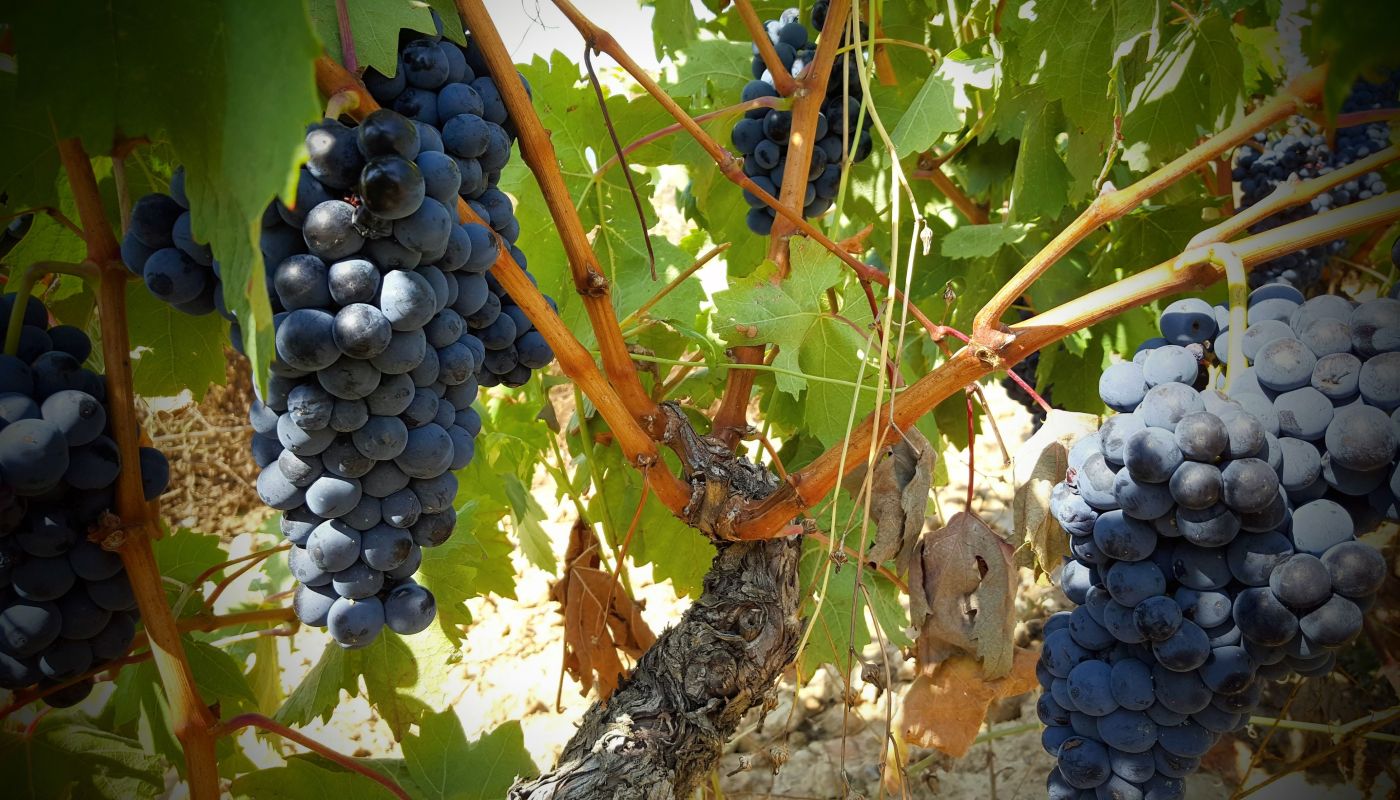
メイン画像キャプション:「ラ・リオハ、アロのムガ・ブドウ畑のテンプラニーリョの樹、2018年」