I have a recurring image of myself some time during one of the first three months of every year.
We have walked into the River Café in Hammersmith. The sun is shining. We are made a fuss of as we sit down (I am with HRH) and the waiter asks me if I would like an aperitif. And this is the moment I really enjoy, I have missed, and will unfortunately be unable to enjoy again before early 2022.
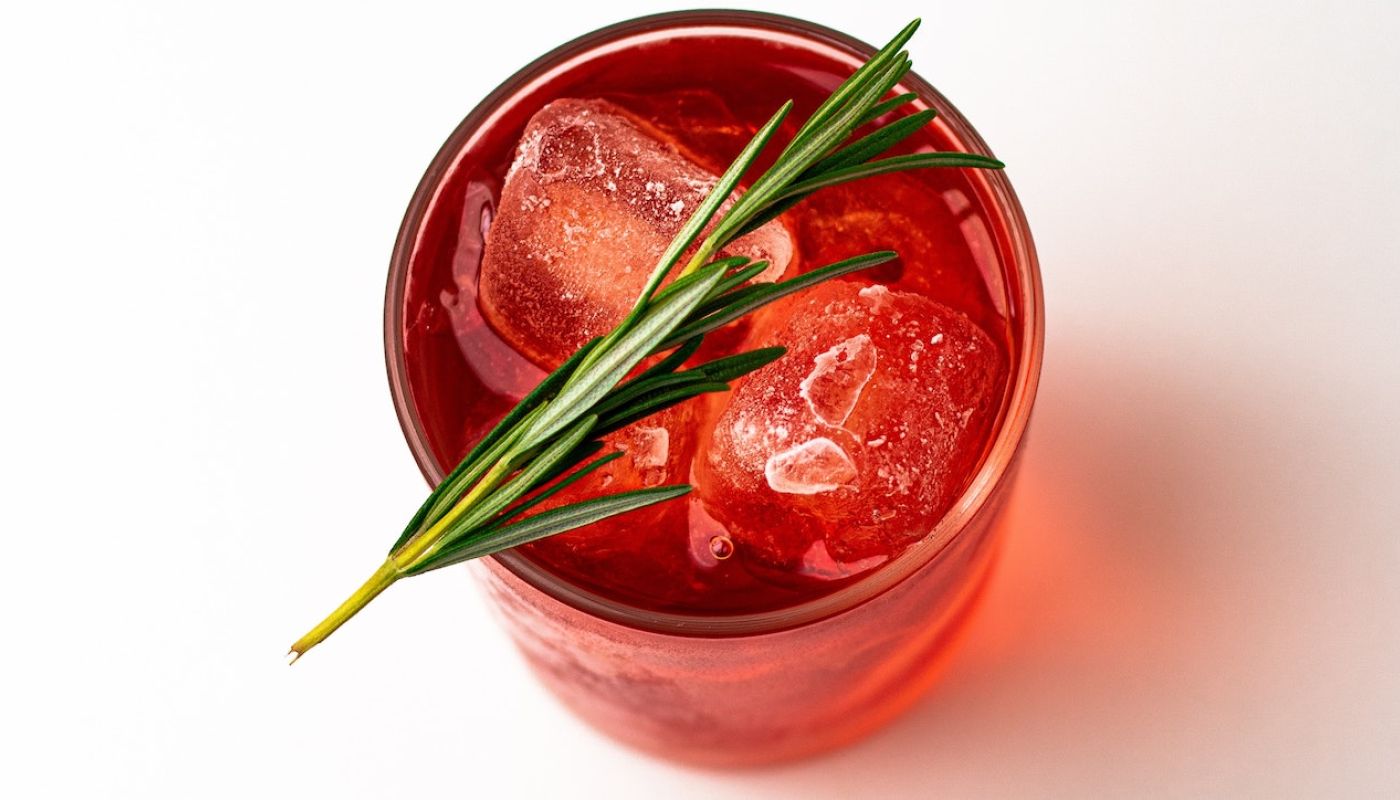
‘Yes please’, comes my immediate response. ‘I would like a Campari and blood orange juice.’ This is a fantastic drink. It is not just the zest of the Campari that excites my taste buds but also the luminous colour of this drink: the slightly pale but shimmering red of the Campari mixed, but definitely not stirred, with the darker red from the blood oranges. With a couple of ice cubes, this is the prelude to a great meal.
That is in any year other than 2021 and 2020. London’s River Café has been closed, as have all restaurants across the UK, and, like all restaurants in England, will reopen on 12 April – for outdoor dining only. But by then the season for blood oranges will be over for another year. What a shame.
But in a way what a relief. If restaurants are ever to have to close again for any length of time, and I sincerely hope that this is never, ever the case, would it be possible, please, for this to be from mid-December to mid-April every year? Because, in essence, what have we, as customers and chefs in the northern hemisphere, actually missed out on in terms of new, seasonal ingredients over the last three months?
The answer is, in fact, almost nothing. From 16 December 2020, when we in the UK went into our third lockdown, until the end of last year, most chefs would have been focusing their attention on Christmas menus and fixed-price menus for New Year’s Eve. Between then and the Easter weekend, what would even the most seasonally conscious chefs have had their beady eyes on? Very little.
This opinion was confirmed by the first chef I spoke to about what is specially available in the first three months of the year. Stuart Andrew, who is responsible for our son’s Clipstone and Portland restaurants, responded, ‘to be honest December to March is not my favourite time to cook. I’m normally finding various ways to jazz up root vegetables. Varieties of citrus are an exception. Blood orange and bergamot which I like very much in citrus tarts and spritzed on raw fish dishes. Forced rhubarb again is a favourite and perhaps will be available when we open – if not, the outdoor variety should seamlessly follow. Wild garlic is in its infancy and will feature on our opening menu as will Italian agretti (monk’s beard), broad beans and white and green asparagus. It seems appropriate for restaurants to come out of hibernation as spring arrives.’
Two chefs who operate outside of central London wholeheartedly agreed with Andrew’s final comment but added a more rural note of their own.
The first was Tom Kitchin, who called me while he was out on a walk in the Scottish countryside, watching, as he put it, ‘sprigs of wild garlic bursting through’. He pointed out that my initial email about winter produce had reminded him that it would now be a year since he had last enjoyed preparing and serving asparagus in one of his restaurants. While he had missed the opportunity of eating the odd woodcock in late December, the biggest omission for him during this last lockdown has been enjoying a teal or a mallard in late January. ‘That is precisely the time of year when these birds are at their best. When they have had to put on an extra layer of fat to see them through the cold months of winter they are at their most delicious. They are unbelievable, but we’ll all have to wait until January 2022 to enjoy them again in their prime.’
Shaun Hill, of the Walnut Tree Inn near Abergavenny in Wales, responded enthusiastically, ‘I suppose the answer is everything and at the same time not much. Wales closed down in mid December and probably won’t be reopening for restaurant meals until late May or June. The game season was nearly over [in mid December], with the exception of woodcock, which are my favourite, and these were being offered by local hunters just the weekend we had to close. The fresh wild mushroom season was over except for truffles and I find these tubers to be a largely under-flavoured waste of money, apart from the horrendously expensive white jobs of course which I couldn’t afford anyway and are hardly local to Abergavenny. Now there are proper new potatoes and asparagus but both are available at my local greengrocer. I suppose it’s the choice of fish I miss most. Every kind of fish, octopus and scallops, mackerel and mussels, red mullet and John Dory. Fishmongers have all but disappeared and the supermarkets near me have a tiny range, mostly farmed salmon, bream and small, sad sea bass.’
But things are very different in the southern hemisphere of course. From George Jardine, the Edinburgh-born chef now at Jordan winery and Jardine Food and Wine Bar in Stellenbosch, South Africa, came this bitter-sweet reminiscence of what he had most missed.
‘As we were in lockdown from late summer I guess what we missed the most is the bounty that autumn provides here in the Cape. So a year without foraging wild mushrooms, Jerusalem artichokes, delicious winter roots, apples and pears from Grabouw. Hunting game is big business in South Africa and of course as everybody was locked down, very little hunting was done, so we also missed out on our fantastic game meat that goes so well with our autumn produce.
‘As chefs, our lives are intertwined with the ebb and flow of seasons, our menus are full of what is best and in season. To be honest I feel like my 2020 was a year without seasons, just one 365-day long season. Today as I send this email (almost a year to the day since our lockdown first began), the first of the season’s porcini are showing up. Chicken of the woods are bursting out on the oaks of Stellenbosch, fish like elf (shad) and sea bream are starting to show up, plump after a long summer feasting so now we have the produce, we are allowed to be open to sell this wonderful bounty. But there are very few customers and absolutely no tourists.’
These sentiments were echoed by Reuben Riffel of Reuben’s restaurant in Franschhoek. ‘For us it was many things [that we missed] over all four seasons. From Jerusalem artichokes, porcini, broad beans, parsnips, different types of game from blesbuck (a South African antelope) to warthog (a wild pig). Early 2022 I see we will be using a lot of East Coast lobsters and Mozambican prawns as well as our special Karoo lamb and ostrich fillet.’
But the lockdown is affecting the whole structure of hospitality in the Cape. ‘In SA we will see some new brands in the fast food arena spearheaded by top chefs. Chefs have become reluctant to open restaurants in expensive areas, especially in view of what we’ve been experiencing over the last year.’
So, with the first three months of 2021 now behind us, let us all look forward to a much better nine months – and to a much healthier future for everyone in hospitality.
Photo by Edward Howell on Unsplash.