Note: In order to deliver this article to you as early as possible, it has been translated with the use of AI. It has been added to a queue for a human translator to fully review and edit. Please pardon any minor translation imperfections while it is being reviewed.
没有伟大的葡萄酒,只有伟大的酒瓶。这句格言强调了同一款酒的不同酒瓶之间可能存在多大差异,在今年对备受赞誉的2016年波尔多年份的168款酒进行的"10年后"盲品中,我们21位品酒师深刻体会到了这一点。
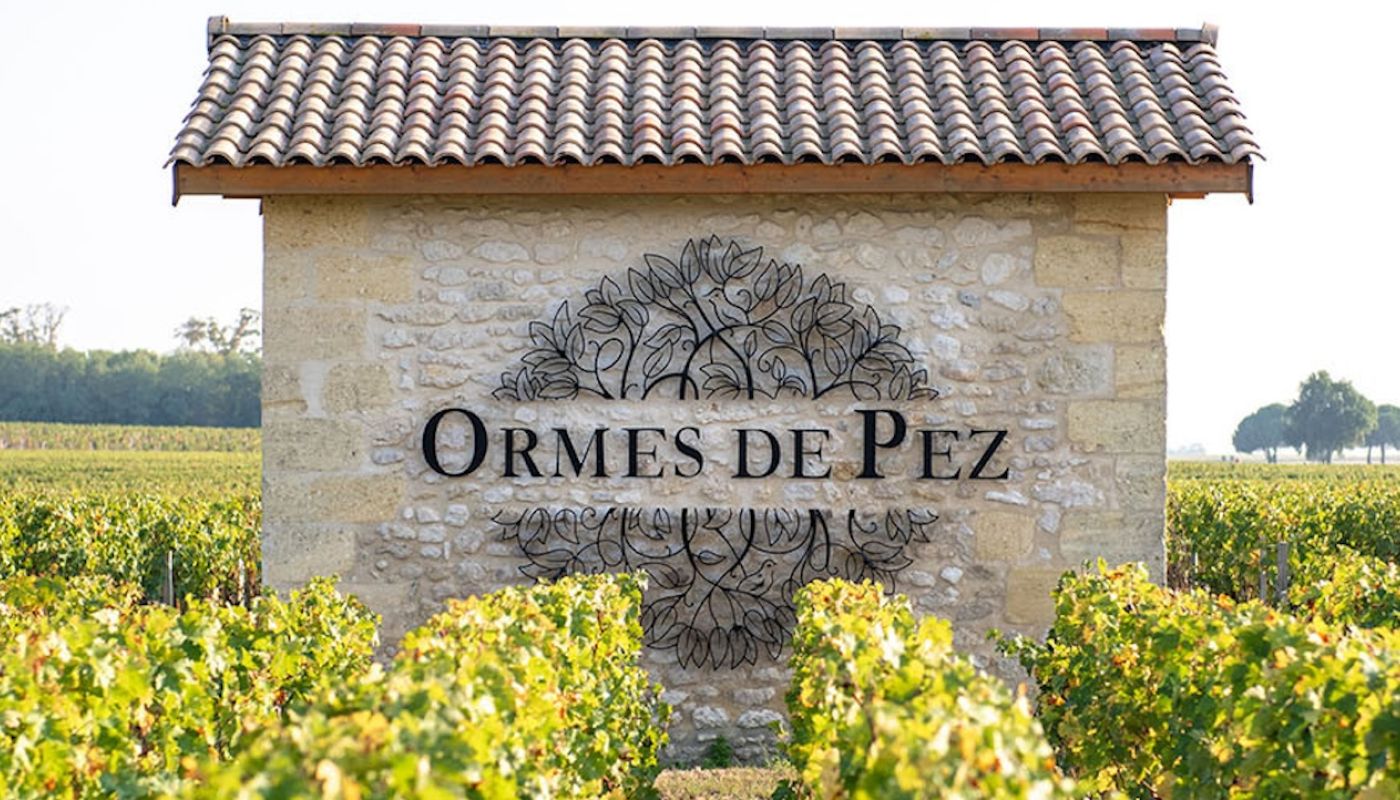
一款来自圣埃斯泰夫 (St-Estèphe) 的低调酒款,每瓶售价不到36英镑,在盲品中与价格超过其五倍的酒款同台竞技时表现出色,成为该产区小组最喜爱的酒款,击败了蒙特罗斯酒庄 (Châteaux Montrose) 和爱士图尔酒庄 (Cos d'Estournel) 等重量级酒庄。奥梅德佩兹酒庄 (Château Ormes de Pez),由拥有靓茨伯酒庄 (Château Lynch-Bages) 的同一家族拥有,是这次专注于被认为与2019年和2022年一起成为2010年以来最佳年份之一的品鉴活动中得分最高的酒款之一。(就其价值而言——如果像我一样,你认为评分是必要之恶的话,价值不大——我在2026年给了它18.5分(满分20分),而在2017年、2018年和2020年,我分别给了它16.5分、16分和17分。)
但当然,在一天半的时间里盲品这么多酒款,与在知道酒款身份的情况下品酒是完全不同的体验。这次盲品活动,就像我两周前报道的2022年份的检验一样,在伦敦法尔酒商 (Farr Vintners) 的总部举行,由对波尔多特别感兴趣的葡萄酒专业人士进行。我们有整整45分钟的时间来倒酒、品尝和分析每组12款酒,然后在揭晓身份时感到震惊。
三周前,法尔的竞争对手之一波尔多指数 (Bordeaux Index) 为客户和媒体举办了他们一年一度的2016年份"10年后"品鉴会。也许是因为如今精品波尔多比消费者更热衷于它的时候需要更大的推动力,波尔多指数举办了比平时更盛大的展示。他们没有在办公室举行,而是接管了俯瞰海德公园的二级保护建筑,即皇家航空学会 (Royal Aeronautical Society) 总部。提供了伯兰爵香槟 (Bollinger) 作为口腔清洁剂,许多波尔多酒庄生产商出席,然后被主办方带去用餐。
不幸的是,波尔多指数品鉴会与我最近也写过的查尔斯·悉尼酒业的卢瓦尔河品鉴会 (Charles Sydney Wines' Loire tasting)在同一天举行——对我来说,是紧接着举行的。所以我不得不有选择地品尝提供的87款2016年波尔多酒中的一部分(例如,我跳过了奥梅德佩兹酒庄)。但因为我知道自己在品尝什么,我的印象可能不可避免地受到了我对生产商和/或酒款的以往经验的影响,这在本周发表的两篇专门介绍这两次"10年后"品鉴会的品鉴文章的笔记中很明显。
每次展示都有一些共同的结论。2016年份在圣埃米利永 (St-Émilion) 最弱,或者更确切地说,在一些圣埃米利永酒款中最弱。来自最受尊敬的圣埃米利永生产商如金钟酒庄 (Angélus)、欧颂酒庄 (Ausone)、卡农酒庄 (Canon)、白马酒庄 (Cheval Blanc) 和飞卓酒庄 (Figeac) 的酒款表现极佳。在较低级别中有一些便宜货,但太多中间层次的生产商似乎仍然沉迷于过度萃取的配方,他们错误地认为这会取悦美国酒评家罗伯特·帕克 (Robert Parker),尽管2013年已经是他最后一次评价期酒的年份。帕维酒庄 (Pavie) 和酒精度达15.5%的特罗隆蒙多酒庄 (Troplong Mondot) 在这方面是特别的罪人,尽管这两个酒庄如今都生产更加精致、诱人的酒款。
一个问题是,在经历了棘手的春季之后,夏季带来了如此严重的干旱,以至于葡萄停止了成熟。所以收获特别晚,普遍缺乏甘美感,这需要特别敏感的酿酒技术。一些圣埃米利永酒款似乎比人们希望的10年陈酿红波尔多更危险地演化。
波美侯 (Pomerol) 酒款总体上比圣埃米利永更成功,教堂克里奈酒庄 (Église-Clinet)、拉弗尔酒庄 (Lafleur) 和老色丹酒庄 (Vieux Château Certan) 的表现甚至比乐邦酒庄 (Le Pin) 和柏图斯酒庄 (Petrus) 在盲品中的表现更好,尽管这后两个超级明星在波尔多指数那里闪闪发光(正如人们对每瓶约3000英镑的酒款所期望的那样)。
来自左岸的酒款绝对更加一致,有一些真正的珍品,以及不少便宜货(见下面我的推荐)。佩萨克-雷奥良 (Pessac-Léognan) 的清新感令人欢迎,特别是史密斯拉菲特酒庄 (Smith Haut Lafitte) 和骑士庄园 (Domaine de Chevalier)。玛歌 (Margaux) 是四个梅多克 (Médoc) 产区中最不令人兴奋的,太多酒款表现出与较次的圣埃米利永相同的过度萃取,尽管玛歌酒庄 (Châteaux Margaux)、帕尔美酒庄 (Palmer)、鲁臣世家酒庄 (Rauzan-Ségla) 和布朗康田酒庄 (Brane-Cantenac)(我们最近2022年品鉴的明星)表现特别好,玛歌酒庄的副牌酒红亭 (Pavillon Rouge) 在波尔多指数品鉴会上也是如此,在法尔那里则不太好。
圣朱利安 (St-Julien) 对传统的英国专业(和业余?)品酒师来说总是一个安全港,具有经典的结构,但比典型的波亚克 (Pauillac) 更容易接近。此外,巴顿家族 (Barton) 以及歌丽雅酒庄 (Gloria) 和圣皮埃尔酒庄 (St-Pierre) 共同拥有的酒庄都有通常的相对便宜货。这些2016年份确实令人愉快地一致,即使相对来说仍然年轻。需要更多的储存费用!即使是雄狮酒庄 (Léoville Poyferré),它经常是圣朱利安中最明显华丽的,在两次品鉴中看起来都非常令人印象深刻,但仍然紧密缠绕。
波亚克酒款的一致性略低于圣朱利安,在一些不太成功的例子中,酸度有时过于突出。上述圣埃斯泰夫的惊喜之作在波亚克中也有一定程度的体现。最成功的波亚克酒款之一是奥梅德佩兹酒庄的同门靓茨伯酒庄,尽管两个碧尚酒庄(拉朗德 (Lalande) 和特别是男爵 (Baron))都令人惊叹。如今这些酒款中明显的葡萄种植和酿酒标准质疑了是否需要花费超过三倍的价格购买一级庄。(三个波亚克一级庄平均每瓶约600英镑,而其他三个波亚克酒庄都远低于200英镑。)
2016年不是经典的苏玳 (Sauternes) 年份,但那些坚持到晚雨带来一些浓缩贵腐菌的生产商确实生产了一些真正优质的酒款,与那些失去勇气提前采摘的生产商的酒款形成鲜明对比。(这是在转向干酒的葡萄比例比现在要少得多的时候。)
2016年红酒的酒精度普遍适中,很少超过13.5%。但法尔品鉴会的一个相当令人震惊的统计数据是,有七瓶酒严重受到软木塞污染的影响,失败率超过4%。
那么2016年是否达到了炒作的程度?在左岸绝对是的,在右岸最好的地址也是如此。最优质的应该能持续到2050年代,但最多汁的右岸酒款已经在带来愉悦了。
性价比更好的2016年份
这些酒款大多数都相对容易按箱购买保税。下面的单瓶价格都是完税价格。
博蒙酒庄2016年上梅多克 (Château Beaumont 2016 Haut-Médoc) 13.5%
£17.98 布伦瑞克精品酒业 (Brunswick Fine Wines),各零售商保税12瓶装从£145起
金诺酒庄2016年圣埃米利永 (Château Quinault l'Enclos 2016 St-Émilion) 13.5%
£29.98 尼科尔斯与珀克斯 (Nickolls & Perks),各零售商保税6瓶装从£105起
奥梅德佩兹酒庄2016年圣埃斯泰夫 (Château Les Ormes de Pez 2016 St-Estèphe) 13.5%
£35.95 芒布尔斯精品酒业 (Mumbles Fine Wines),£44.70 克里斯托弗·派珀酒业 (Christopher Piper Wines),法尔酒商保税6瓶装£125
特龙凯拉朗德酒庄2016年圣埃斯泰夫 (Château Tronquoy Lalande 2016 St-Estèphe) 14.5%
£36 四面墙 (Four Walls),各零售商保税6瓶装从£157起
克吕泽勒酒庄2016年拉朗德-德-波美侯 (Château Les Cruzelles 2016 Lalande-de-Pomerol) 13.5%
£37.20 四面墙,各零售商保税6瓶装£130
玛德莱娜园2016年圣埃米利永 (Clos La Madeleine 2016 St-Émilion) 14%
法尔酒商保税6瓶装£145,保税6瓶大瓶装£290
卡隆世家酒庄,卡隆侯爵2016年圣埃斯泰夫 (Château Calon Ségur, Le Marquis de Calon Ségur 2016 St-Estèphe) 14%
£39 亨茨沃斯酒业 (Huntsworth Wine),法尔酒商保税6瓶装£155
林奇穆萨酒庄2016年波亚克 (Château Lynch Moussas 2016 Pauillac) 13.5%
£39.60 四面墙,法尔酒商保税12瓶装£280
蒙布里松酒庄2016年玛歌 (Château Monbrison 2016 Margaux) 13.5%
理想酒业 (Ideal Wine) 保税6瓶装£215
拉图卡奈酒庄2016年上梅多克 (Château La Tour Carnet 2016 Haut-Médoc) 14%
£49.95 藤蔓与酒窖 (Vine & Bine),理想酒业保税6瓶装£140
巴塔耶酒庄2016年波亚克 (Château Batailley 2016 Pauillac) 13%
£59 酒业协会 (The Wine Society),各零售商保税6瓶装从£230起
品鉴笔记、评分和建议饮用日期,请参阅关于右岸红酒和甜白酒以及左岸红酒的品鉴文章。国际经销商信息,请参阅Wine-Searcher.com。
回到基础
如何盲品红酒? |
|
这是一个庞大的主题,我只能浅尝辄止。首先是操作方法。你需要一个友好的同伴,他知道哪款酒是什么,不需要盲品。他们可以给你带来已经倒好的酒杯,最好编号,也许用记号笔在杯底标记,或者他们可以用银箔包裹酒瓶或放在纸袋或其他不透明袋子里——同样,用数字或字母清楚地区分它们。(作弊者可能会从瓶颈寻找线索——玻璃颜色、箔纸残留和/或螺旋盖的证据。)
如果目标是识别酒款(一个令人印象深刻的聚会技巧),颜色可以提供巨大帮助。当酒款倾斜对着白色物体时,边缘特别有说服力。年轻的酒款颜色更深,倾向于紫色而不是橙色。非常一般地说,基于这些常见葡萄品种的酒款颜色依次加深:歌海娜 (Grenache)、黑皮诺 (Pinot Noir) 和佳美 (Gamay)、西拉 (Syrah) 和梅洛 (Merlot)、赤霞珠 (Cabernet)。但当然有无数变化。年份越干燥,果皮越厚,所以颜色和单宁更多,因此如果酒款年轻,会相当有嚼劲。更多详情请参阅萨姆最近的盲品指南 (Sam's recent guide to blind tasting)。
有了经验,第一次嗅闻可能是最有启发性的。你的大脑中会发生一些事情,将那种香气与你记忆中的某些东西联系起来。但如果失败了,保持一份最明显可能性的清单并将你的印象与你对每种的了解相匹配会有帮助。
另一方面,如果你像我们在法尔那样盲品来评估质量,只需分析你所感受到的。它闻起来干净诱人吗?酸度、甜度、单宁和酒精这些重要元素是否平衡?关键是:吞咽或吐出后,酒款在口腔中持续多长时间?最后一点是专业必需。 |